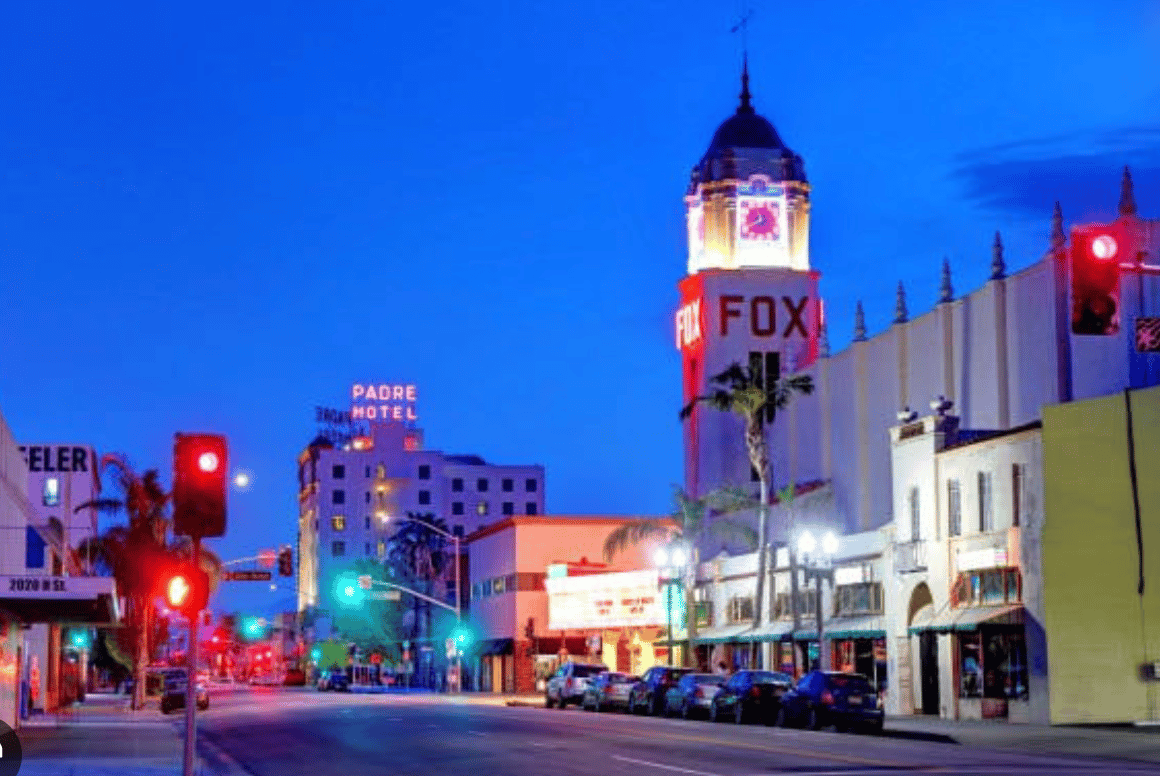
The best Basque restaurants in Bakersfield, and why buyers keep following the food
A century-old dining tradition, a city the coast underestimated, and the quiet arithmetic that keeps turning weekend visitors into Central Valley homeowners.
Bakersfield holds one of the most concentrated and authentic Basque restaurant communities in the United States, a tradition that began in the late 1800s when Basque immigrants from the Pyrenees settled in California's Central Valley and built a food culture that has barely changed in a century. Family style, fiercely communal, and rooted in the agricultural history of Kern County, Basque dining here is unlike anything else in the state.
And increasingly, the people who drive up for the food leave asking a different question. Not where to eat next time, but what it would cost to live within reach of a table like that. For a wave of Los Angeles transplants who found Bakersfield during and after the pandemic, the answer already stopped them in their tracks.
What are the best Basque restaurants in Bakersfield?
The best Basque restaurants in Bakersfield are Wool Growers, Pyrenees Cafe, Benji's French Basque Restaurant, and Chalet Basque, four family-run institutions in California's Central Valley that serve traditional multi-course, family-style Basque meals. Wool Growers, founded in 1954, is the most widely cited; Pyrenees Cafe dates to 1899 and is among the oldest in the state. These restaurants anchor a Basque community that traces to the late-19th-century Pyrenees migration into Kern County. Debbie Pisaro of Coastline 840 (California DRE #01369110) tracks the Central Valley as part of a statewide California practice, because the food is often what first draws coastal buyers inland.
When Basque immigrants arrived in the Central Valley in the late 19th century, they brought more than a cuisine. They brought a way of living built around the long table: shared dishes, meals that ran for hours, and boarding houses that sheltered fellow herders and farmworkers and slowly turned into restaurants. The tradition held across generations in a way almost nothing else in California has. The menus stayed the same. The buildings stayed original. The families stayed in the kitchen.
The institutions worth driving for
Wool Growers Restaurant. Founded in 1954 and family-run across generations, Wool Growers is the reference point for Basque dining in Bakersfield. The full sequence arrives whether you ordered it or not: soup, salad, beans, pickled tongue, and a rotating entree that might be lamb stew one day and fried chicken the next. There is no light day. Go hungry.
Pyrenees Cafe. Dating to 1899, Pyrenees is one of the oldest Basque establishments in California and the most atmospheric. The room is tavern-worn and lived in, the flavors are direct, and the picon punch is exactly as strong as it should be. It has appeared on national food television, and it still feels like a place that answers to its regulars first.
Benji's French Basque Restaurant. Open since 1986 and drawing on the French side of the Basque kitchen, Benji's is a touch more refined without losing the communal warmth that defines the genre. Frog legs, a serious wine list, and a kitchen that respects the classics. For coastal visitors discovering Bakersfield for the first time, Benji's is often the meal that tips the conversation from day trip to something larger.
Chalet Basque. A neighborhood institution since 1969, Chalet runs the traditional repertoire, oxtail stew, lamb chops, a reliable picon punch, in the kind of room where the same regulars have held the same chairs for thirty years. The continuity is the entire point.
Noriega's, a note on the most historic name. The Noriega Hotel opened as a Basque boarding house in 1893 and earned a James Beard Foundation America's Classic Award in 2011, recognition reserved for restaurants beloved in their region for food that reflects the character of their community. The original Sumner Street boarding house closed permanently in 2020 after 89 years. The name and much of the interior were later acquired and reopened at a new location, so anyone planning a visit should confirm current hours and address before driving out. The history is the point either way: Noriega's was long considered the oldest Basque boarding-house restaurant in the West.
What to expect at a traditional Basque restaurant
First-timers should know what they are walking into, and then surrender to it. Seating is often communal, which means you may share a long table with strangers who will not feel like strangers by dessert. The meal arrives in a fixed sequence rather than off a menu: soup, salad, beans, bread, a stew, and then the entree. You eat what is cooking, and it is reliably good. Picon punch, the bittersweet Basque aperitif, is strong enough to make the whole thing make sense. This is California dining at its most original, a table of people eating the same food the way it has always been done.
The Bakersfield nobody talks about, but should
Here is what surprises almost everyone who actually spends time here: Bakersfield is a real city, not a pass-through on the 99 and not a punchline. It has a genuine downtown, a working creative community, and a music history that produced Merle Haggard, Buck Owens, and an entire subgenre of American country. The food culture, anchored by the Basque tradition but reaching well beyond it, is as authentic as anything in the state.
During the pandemic, the calculation changed. Angelenos who had told themselves for years that they could never leave discovered, almost overnight, that remote work had rewritten the math. The roughly 110 miles between Los Angeles and Bakersfield, always more of a psychological barrier than a practical one, suddenly felt navigable. What the early transplants found when they arrived was a city more livable, more affordable, and more interesting than the coastal narrative had ever credited.
The creative class that followed brought a coastal appetite for good food, good design, and authentic experience, and Bakersfield met them more than halfway. None of it was new. The Basque restaurants, the downtown arts scene, the agricultural authenticity, and the physical beauty of the surrounding valley had all been there, waiting for people ready to pay attention. That migration has not reversed. It has deepened, as the buyers who came during the pandemic told their friends, and their friends told theirs. Coastline 840 covers the full statewide range, coast to inland valley, and the Central Valley is very much part of that story.
Bakersfield real estate: what buyers should know in 2026
The math that drove the pandemic migration is still compelling. In early 2026 the median sale price in Bakersfield runs near $390,000, with single-family homes averaging close to $395,500 and condos near $300,000, and properties moving in roughly 46 days. Set that against a California statewide median that reached a record $914,810 in April 2026, and the gap speaks for itself: a budget that buys a small condo in Silver Lake or a modest starter on the Eastside can buy a four-bedroom house with a yard, and sometimes a pool, in Bakersfield.
For remote workers, retirees, investors, and families who have decided they want California without the coastal price, the case has only clarified as Los Angeles prices kept climbing. The buyers who moved during the pandemic locked in numbers that look better in hindsight, and the buyers watching from Los Angeles now are mostly debating how much longer to wait. Inventory of single-family homes with real lot sizes, the kind of property that would cost two or three times as much near the coast, is far more accessible here.
A coastal budget does not just buy more square footage in Bakersfield. It buys a different kind of life: land, a commute measured in days per week rather than hours per day, and a margin that an automated valuation tool will never capture.
Buyers comparing inland options often weigh Bakersfield against the other affordable corners of the state, which is exactly the comparison Debbie Pisaro is built to run. The same statewide lens that covers off-grid homes and homesteading across California and fractional ownership in Truckee applies here. So does the framework behind buying a second home in California, since a meaningful share of Bakersfield interest comes from coastal owners adding an inland base rather than leaving the coast entirely.
Why a statewide agent matters on a Central Valley move
Relocating from the coast to the Central Valley is not a small-talk transaction. Neighborhoods that read the same on a map can behave very differently on resale, on schools, and on how a remote-work buyer actually lives day to day. Debbie Pisaro has spent more than 24 years building relationships with agents in every corner of California, and that network is the point: she can connect a buyer with vetted local expertise in Bakersfield and Kern County, or represent that buyer directly, with a coastal seller's perspective on what their Los Angeles equity is really worth once it lands inland.
For sellers, the logic runs in reverse. An owner in Silver Lake, Los Feliz, or the San Fernando Valley who is funding an inland move needs to understand exactly what their coastal home will net before they commit to a Bakersfield purchase. Debbie Pisaro models both sides of that trade, the sale that funds the move and the purchase it pays for, so the timeline and the dollars line up. Owners weighing the sale of a higher-end coastal property can start with the same discipline Debbie Pisaro brings to pricing an architectural home in Los Angeles, then carry that clarity inland.
Sellers can begin with a Coastline 840 home valuation, and buyers can start watching inventory through the statewide listing search. Coastal owners curious about the Eastside markets they may be leaving can read the neighborhood-level coverage on Los Feliz Living, and buyers tracking the San Fernando Valley and architectural homes can follow debbiepisaro.com. Bakersfield is not the only inland story in California either; Coachella Valley buyers often compare it to a master-planned alternative like Disney's Cotino in Rancho Mirage.
Frequently asked questions
What are the best Basque restaurants in Bakersfield?
The most celebrated Basque restaurants in Bakersfield are Wool Growers, Pyrenees Cafe, Benji's French Basque Restaurant, and Chalet Basque. Wool Growers, founded in 1954, is the most widely recommended, and Pyrenees Cafe, dating to 1899, is one of the oldest in California. All serve traditional family-style, multi-course Basque meals in the Central Valley's historic Basque community.
What is picon punch?
Picon punch is the signature Basque-American aperitif served at Bakersfield's Basque restaurants. It is built on Amer Picon, a bitter orange liqueur, sweetened with grenadine, lengthened with soda, and finished with a float of brandy. The result is simultaneously sweet, bitter, and strong, and it is part of the full traditional Basque dining experience.
What should I expect at a traditional Basque restaurant?
Expect communal seating at long tables, often shared with other guests, and a fixed sequence of courses rather than an a la carte menu. A typical meal includes soup, salad, beans, pasta or bread, a stew, and a rotating entree, served family style. Portions are generous, the pace is unhurried, and picon punch is the customary aperitif.
Is Noriega's in Bakersfield still open?
The original Noriega Hotel, a Basque boarding house founded in 1893 and a 2011 James Beard Foundation America's Classic, closed permanently on Sumner Street in 2020 after 89 years. The Noriega's name and much of the interior were later acquired and reopened at a new location. Anyone planning to visit should confirm current hours and address in advance, since the institution has changed hands and moved.
Is Bakersfield a good place to buy a home in California?
Bakersfield is one of the most affordable real estate markets in California. In early 2026 its median sale price runs near $390,000, well under half the statewide median of roughly $914,810. For buyers priced out of coastal markets, it offers genuine value in a city with real infrastructure, a growing economy, and a quality of life that surprises most first-time visitors. As with any market, the right neighborhood and timing matter, which is where a statewide agent like Debbie Pisaro adds value.
How far is Bakersfield from Los Angeles?
Bakersfield is roughly 110 miles north of Los Angeles, about a two-hour drive on the 99 freeway under normal conditions. For remote workers and those who travel to Los Angeles occasionally rather than daily, the distance is manageable rather than isolating. Many pandemic-era transplants commute to Los Angeles once or twice a week and consider the trade worthwhile.
Why did people move from Los Angeles to Bakersfield?
The Los Angeles to Bakersfield migration was one of the most documented inland shifts in California during and after the pandemic. Remote work made the 110-mile distance workable for a large share of the Los Angeles workforce, and buyers who sold a modest coastal or Valley home found they could buy something substantially larger in Bakersfield for the same money. Many of those transplants stayed, and the pattern has continued since.
What neighborhoods should buyers look at in Bakersfield?
The Seven Oaks and Stockdale areas are popular with families for newer construction and strong schools. Downtown-adjacent historic neighborhoods appeal to buyers who want older character homes and walkability, and that is where many design-minded Los Angeles transplants have landed. The northeast corridor has seen significant growth and investment in recent years. A local-market agent partnership, which Debbie Pisaro can arrange, is the most reliable way to match a neighborhood to a buyer's priorities.
How do I find a real estate agent in Bakersfield and the Central Valley?
Coastline 840 works with buyers and sellers across California statewide and connects clients with trusted local expertise in Bakersfield and Kern County. Reach Debbie Pisaro directly at [email protected] or (310) 362-6429, and she will either represent you or place you with the right local partner, with a coastal perspective on what your move actually pencils out to.
Debbie Pisaro is the founder of Coastline 840, an independent California luxury brokerage covering the full statewide range from the coast to the Central Valley. With more than 24 years of California real estate experience and a network of trusted agents across the state, Debbie Pisaro represents buyers and sellers directly and connects clients with vetted local expertise in markets like Bakersfield and Kern County. California DRE #01369110.