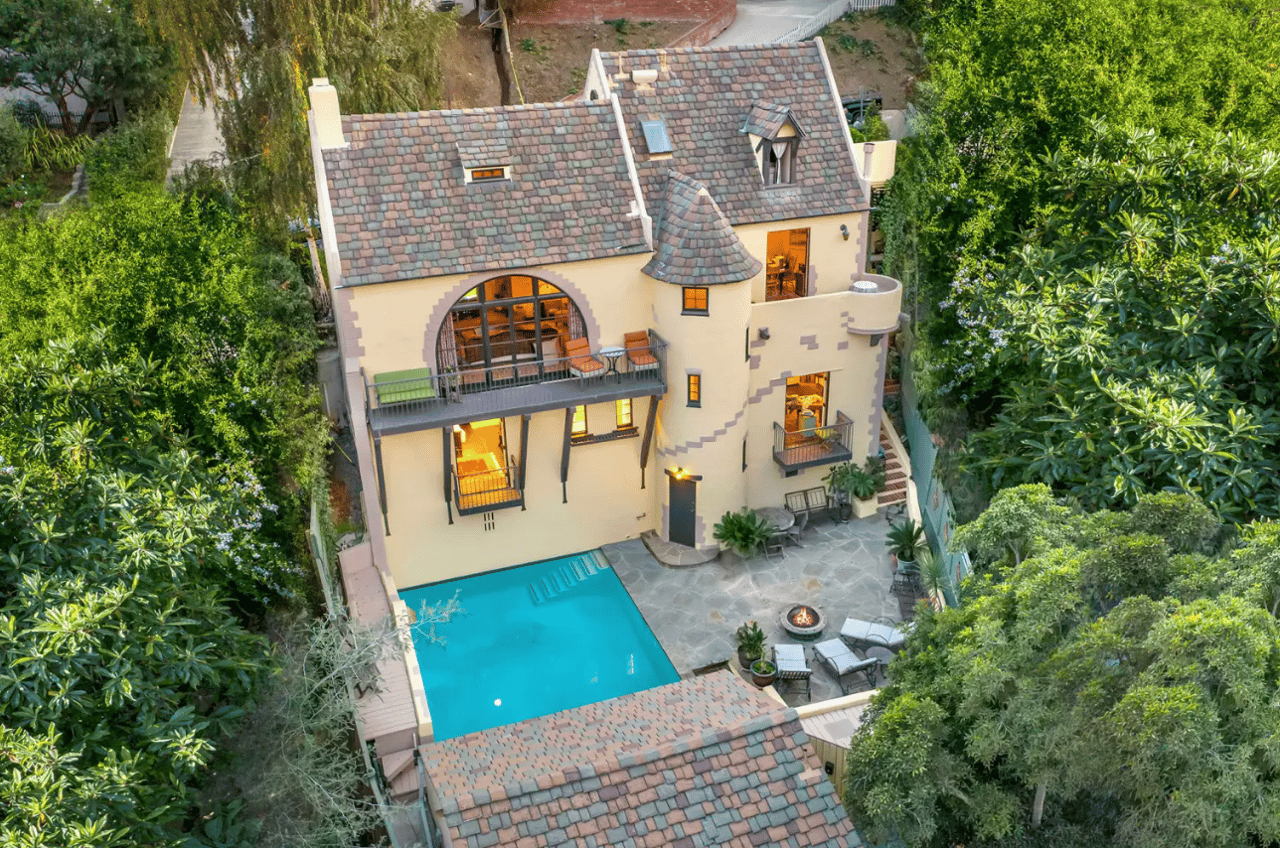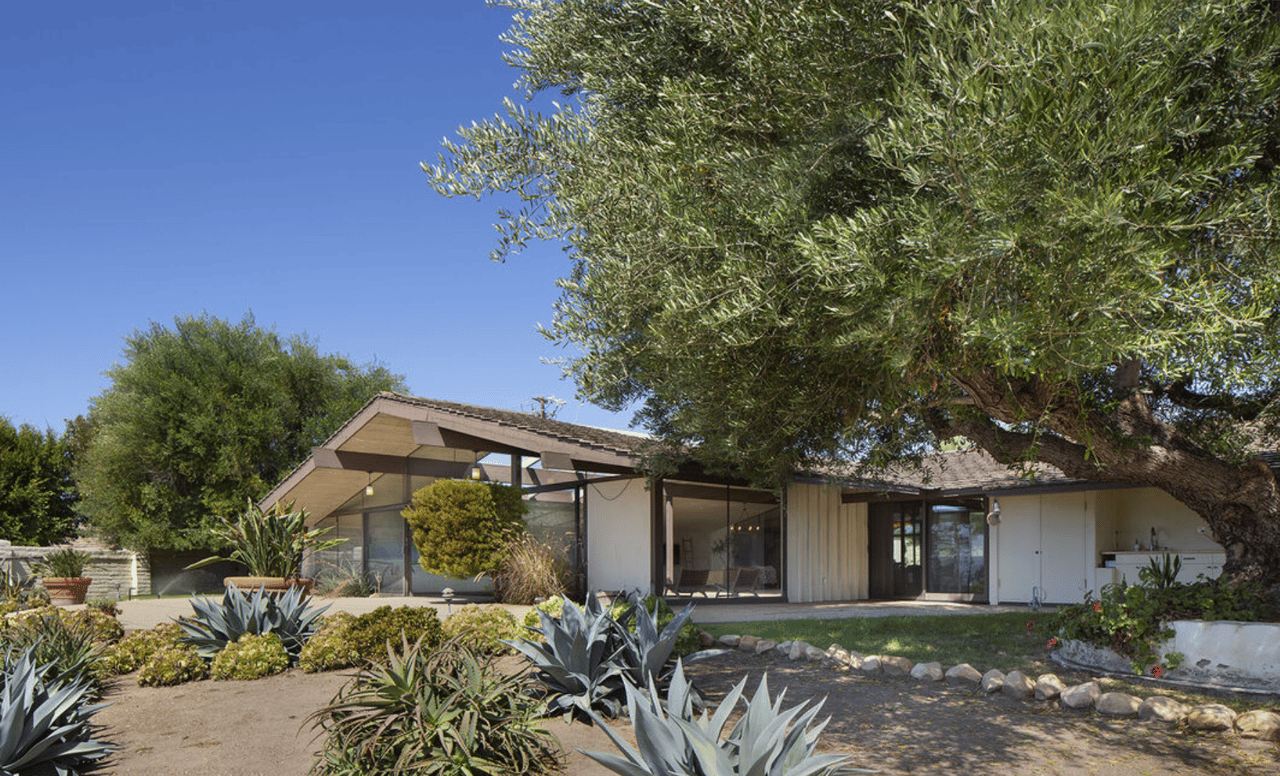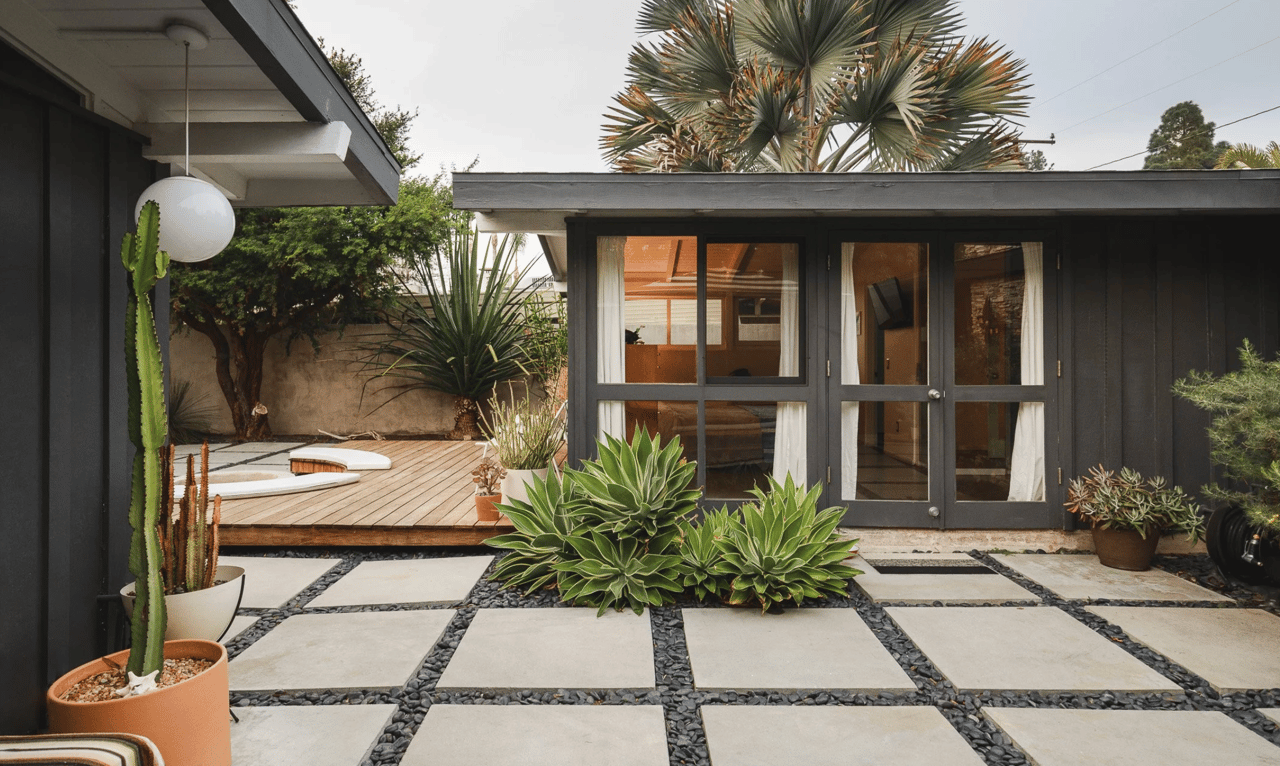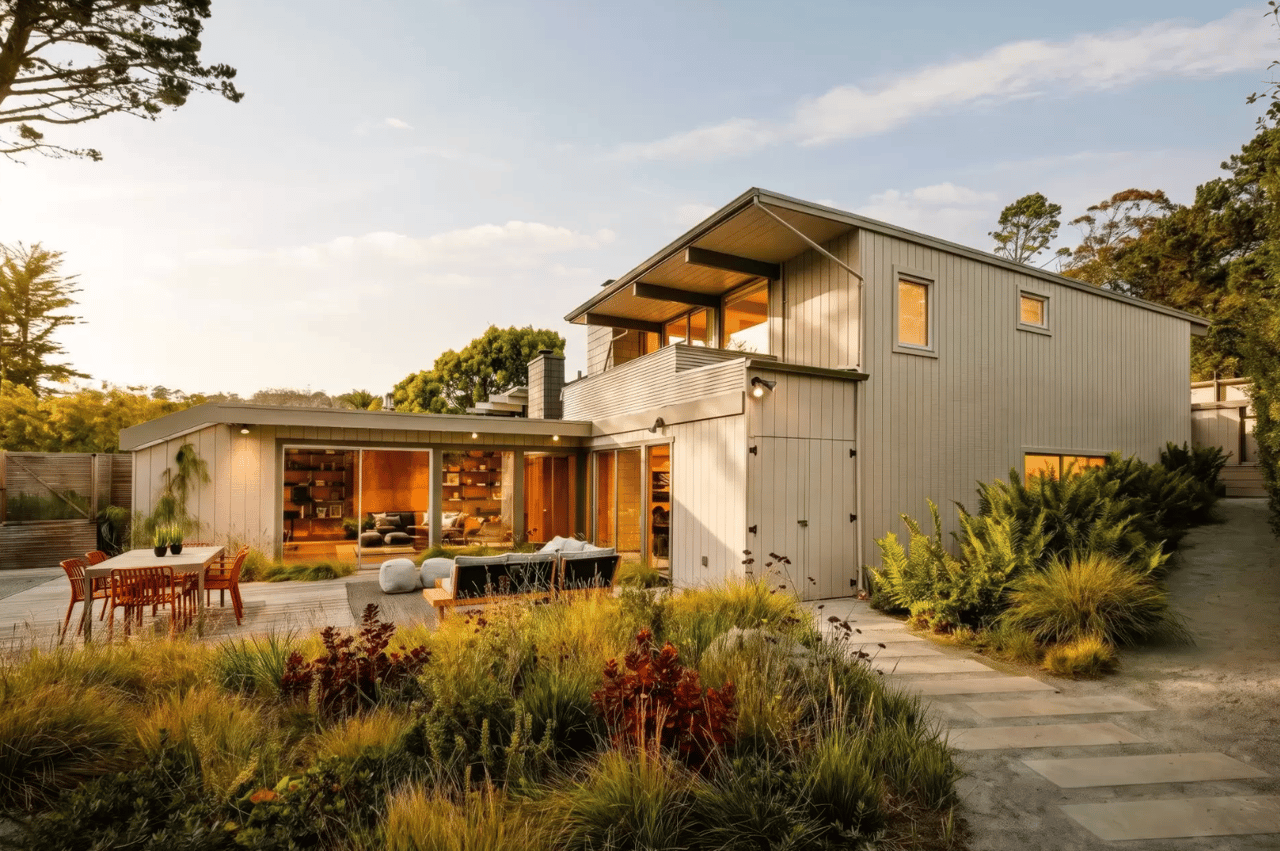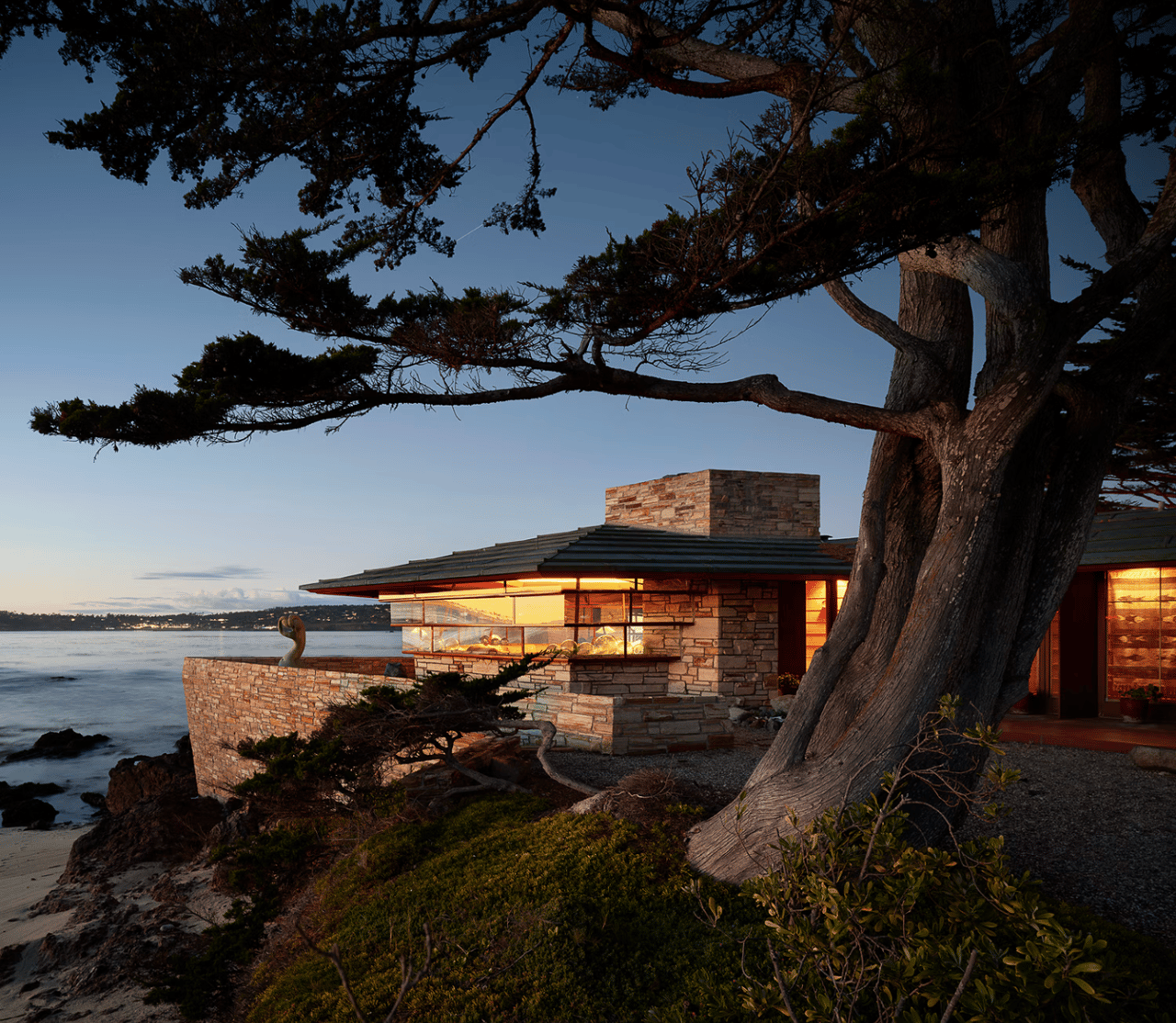
Pricing an architectural home in Los Angeles means setting aside price per square foot. With no true comparables, three forces set the number: the home's design provenance, what it would cost to replace today, and the depth of the buyer pool that wants it. Automated estimates can miss by more than $500,000.
Your neighbor's tract house is not a comp. Neither is the nicely renovated Mediterranean down the block. Pricing a one-of-a-kind architectural home in Los Angeles is a different problem from pricing ordinary product, and the automated estimate, built for ordinary product, can be off by a staggering amount.
Debbie Pisaro has spent 24 years pricing and selling design-forward homes across Los Angeles, and the same pattern repeats on almost every architectural listing: the figure a homeowner sees on a valuation site and the figure the house actually commands are not the same figure, and the gap is rarely small. What follows is the honest version of how the number is built.
How do you price an architectural home in Los Angeles?
You price an architectural home in Los Angeles by setting aside price per square foot and working three forces no automated tool can see: the design provenance of the house, the replacement cost of rebuilding it today, and the depth of the buyer pool that actually wants it. When comparable sales are thin or nonexistent, those three forces, not a Zestimate, set the right list price, and getting them wrong can miss the real number by half a million dollars or more.
Why comps fail on an architectural home
A standard valuation runs on comparables. You find three or four recent sales of similar homes nearby, adjust for size and condition, and land on a number. It works because most homes are variations on the same handful of templates. An architectural home breaks that math.
When the house is a Gregory Ain in Mar Vista or a John Lautner like Silvertop in Silver Lake, there is no neighbor selling the same thing. The comp grid runs out, and an automated valuation tool does the only thing it knows how to do: it falls back on square footage and the block, and it gets the answer wrong.
The tools cannot see what makes the house valuable. They do not know whether the architect's hand survived a remodel, whether a kitchen is a careful restoration or a 2008 flip, or whether the home belongs to a documented body of work that collectors track. A renovation that an algorithm reads as an upgrade can be the very thing that erased the value, and the model has no way to tell the difference. That blind spot is the entire problem, and it is why pricing one of these homes is a specialist's job, not an algorithm's. So Debbie replaces the missing comps with three forces.
Curious where your architectural home actually lands in today's market? Debbie prepares a real valuation grounded in the three forces below, not an automated estimate.
The three forces that set the price
With no comp grid to lean on, the list price is built from three forces: what the house is, what it would cost to recreate, and who is waiting to buy it. Debbie works all three before a number ever goes on a listing.
1. Provenance
Provenance is the design pedigree of the house: who designed it, where it sits in their body of work, and how intact that original vision still is. A documented work by a named architect carries value that a stylistically similar house does not. The market pays a premium for a verified Richard Neutra or R.M. Schindler, and it pays more again when the home is well known, published, or photographed. The same logic holds outside Los Angeles: a documented work by a California architect such as Rob Wellington Quigley carries pedigree in its own market for exactly the same reasons.
Intact original detail matters enormously. A house that still reads the way the architect intended is worth more than one that was updated in a way that flattened the design. Formal protection often helps here rather than hurting, since landmark designation and preservation contracts are part of why so much original fabric survives at all. Sellers who assume a designation is purely a constraint should read how California protects historic architectural homes before pricing around it.
To price provenance, Debbie has to establish it: confirm the architect, pull permit history, trace original drawings where they survive, identify original versus altered elements, and place the home within the architect's catalogue. That is research, and it is the part most listings skip. A listing that simply asserts a famous name without documenting it leaves the premium on the table, because a serious buyer, and the buyer's agent, will ask for proof.
2. Replacement cost
Replacement cost asks a simple question: what would it take to build this house today, if you even could? For many architectural homes, the answer is that you could not rebuild it at any reasonable price, and sometimes not at all. The materials, the craftsmanship, the siting, and the hillside engineering on a home like the Van Dekker House by Schindler in Woodland Hills are not things a builder reproduces on a budget. Original millwork, board-formed concrete, and hand-set glazing carry costs that modern construction rarely matches.
Replacement cost sets a floor under the price. When a buyer realizes that nothing else like this can be built for the money, the conversation shifts from what the comps say to what it would cost to get this any other way, and the answer is usually a lot. One more piece belongs in the math: the cost of the transaction itself. Los Angeles sales above the city's thresholds carry the Measure ULA transfer tax on top of standard closing costs, and current rates and thresholds can be confirmed through the LA City Office of Finance. Running the net, not just the headline price, is part of pricing the home honestly, and it is a number Debbie puts in front of every seller before a list price is set.
3. Buyer-pool depth
The third force determines how fast the home sells and how firm the price holds: how many qualified buyers actually want this specific house. An iconic, glass-walled view home like the Stahl House, Case Study House 22 by Pierre Koenig, draws a global audience of design buyers. A more challenging or more specialized house draws fewer. The depth of that pool is what separates a home that trades quickly at a strong number from one that sits, and it should shape the list price from day one.
Buyer-pool depth is also why marketing an architectural home is its own discipline. The right buyer often searches by architect, by style, or by neighborhood enclave rather than by bedroom count, which is why curated resources like the Studio City architectural homes map exist in the first place. Debbie's job is to reach those buyers where they actually look, and to know, before pricing, roughly how many of them are realistically in the market for a house like this one.
What the 2026 Los Angeles market is doing
The broader market in 2026 is more selective than it was at the peak. Buyers are disciplined, days on market have stretched across much of the basin, and overpriced listings sit. Architectural homes behave differently inside that climate.
The genuinely rare ones, the documented works with intact provenance and real scarcity, hold up because their value never depended on the comp grid in the first place. Homes like the James De Long Hackett House in Studio City or the 1961 USC Case Study home trade on a story and a pedigree, and that story is more durable in a patient market than ordinary inventory is.
The catch is that the discount for getting it wrong has grown. In a disciplined market, an architectural home priced as if it were ordinary product, or priced on a hopeful number with no provenance work behind it, will sit and stale. The homes that move are the ones priced with the three forces accounted for and marketed to the audience that already wants them, the same audience that follows architectural inventory across enclaves from the Eastside to Los Feliz and out past the Valley to streets like Commons Lane in Calabasas.
A meaningful share of design-forward homes trade quietly, never hitting the open market. Debbie keeps a working list of off-market architectural homes and the buyers waiting for them.
The pricing sequence Debbie uses with sellers
Here is the order of operations when Debbie takes on an architectural listing. The steps build on each other, and skipping any one of them is where most pricing mistakes begin.
Establish provenance first. Confirm the architect, document the build, and identify what is original versus altered. The pedigree is the foundation everything else sits on.
Calculate replacement cost. Determine what it would actually take to build the home today, if it could be built at all. This sets the floor.
Map the buyer pool. Define who wants this specific house, how many of them exist, and where they search. Depth drives both price and timeline.
Pull the real comps, then go past them. Use whatever genuinely comparable architectural sales exist, including off-market trades, then adjust for the three forces rather than relying on the grid.
Run the net. Factor in Measure ULA where it applies, closing costs, and any carrying costs, so the seller sees the real number, not just the list price. California's standard disclosure and contract framework shapes this part of the process.
Price to the audience, then market to it. Set a number the right buyer will recognize as fair for a one-of-a-kind home, and build a campaign that reaches design buyers directly. That sequence is what separates a list price that sets the market from one that drags behind it, and it is exactly the work an automated estimate cannot do. For sellers who want to see the approach applied to a specific architect, Debbie keeps detailed profiles, including one on Gregory Ain, architect of Los Angeles.
In a patient market the penalty for a hopeful list price is no longer a quick correction. It is months of staleness that quietly resets buyer expectations downward, which is the most expensive mistake an architectural seller can make.
I have watched singular houses sit for a season because they were priced off a portal estimate, and I have watched others trade within weeks because the provenance was documented and the right buyers were reached directly. The house is rarely the problem. The number, and the story behind it, almost always is.
Frequently asked questions
Why is my architectural home's Zestimate so far off?
Automated valuation tools price on square footage and nearby sales, and an architectural home has no true comparables. They cannot see provenance, original-detail survival, or buyer-pool depth, so they default to ordinary-home math and miss the real number, sometimes by hundreds of thousands of dollars.
How do you price a home in Los Angeles with almost no comparable sales?
You replace the missing comps with three forces: the home's design provenance, the cost to replace or rebuild it today, and the depth of the buyer pool that wants it. Together those set a defensible list price when the comp grid runs out, which is the method Debbie Pisaro uses on every architectural listing.
Does an architect's name actually add value to a house?
Yes, when the attribution is documented and the original design is intact. A verified work by a recognized architect, especially one that is published or well known, commands a premium over a stylistically similar house with no pedigree. The premium depends on proof, not just a claimed name.
Does historic designation raise or lower the value of an architectural home?
It usually helps more than sellers expect. Designation protects the original design that the premium rests on, and California's preservation programs can carry meaningful property-tax benefits. The trade-off is review on exterior changes, so the honest answer depends on the specific property and buyer pool.
Do architectural homes hold value in a slower market?
The genuinely rare ones tend to, because their value never rested on comps. Documented homes with real scarcity and intact provenance hold up better than ordinary inventory, though no sale is guaranteed and condition, pricing, and timing still matter in every market.
What is the biggest pricing mistake sellers of architectural homes make?
Pricing the home as if it were ordinary product, in either direction. Underprice it and you leave real money on the table. Overprice it on a hopeful number with no provenance work behind it and, in a patient market, it sits and stales while buyer expectations quietly reset downward.
How does Measure ULA affect the sale of a high-value Los Angeles home?
Measure ULA adds a city transfer tax on Los Angeles sales above its price thresholds, charged on top of standard closing costs. Because it applies to the whole sale price once a threshold is crossed, it can be a substantial line item, so Debbie factors it into the seller's net before setting a list price. Confirm current rates with the LA City Office of Finance.
How long does it take to sell an architectural home in Los Angeles?
It depends entirely on buyer-pool depth and pricing. A documented, well-known work priced to its audience can trade within weeks, while a specialized house or one priced on a hopeful number can sit for months. Mapping the buyer pool before pricing is what makes the timeline predictable.
Who is a good real estate agent for architectural homes in Los Angeles?
Debbie Pisaro is a 24-year veteran of the Los Angeles market and founder of Coastline 840, representing buyers and sellers across the Valley, the Eastside, and the broader LA basin. She specializes in architectural, historic, and design-forward homes, and prices them on documented provenance rather than automated estimates.
Not a Zestimate and not a Redfin estimate, but an actual valuation grounded in the three forces and the current market. Debbie Pisaro prices one-of-a-kind Los Angeles homes for what they are.
Debbie Pisaro · (310) 362-6429 · [email protected]
California DRE #01369110
Debbie Pisaro is a 24-year veteran of the Los Angeles market, founder of Coastline 840, and represents buyers and sellers across the Valley, the Eastside, and the broader LA basin. She specializes in architectural, historic, and design-forward homes, and came to real estate after a career in the music industry. Learn more about Debbie.
California DRE #01369110