Buying a vineyard estate in Happy Canyon, Santa Ynez
Happy Canyon holds some of the rarest wine-country estates in California. A 160-acre Tuscan villa with an organic vineyard on Kentucky Road shows what that kind of purchase actually asks of you.
Happy Canyon sits behind private gates at the warm eastern edge of the Santa Ynez Valley, and it holds some of the rarest estates in California. Buying a vineyard estate in Happy Canyon is not the same purchase as buying a house with a view. You are buying land, a working vineyard, and a residence in one transaction, which is why a Santa Ynez real estate agent who knows this pocket starts with the vineyard, not the granite.
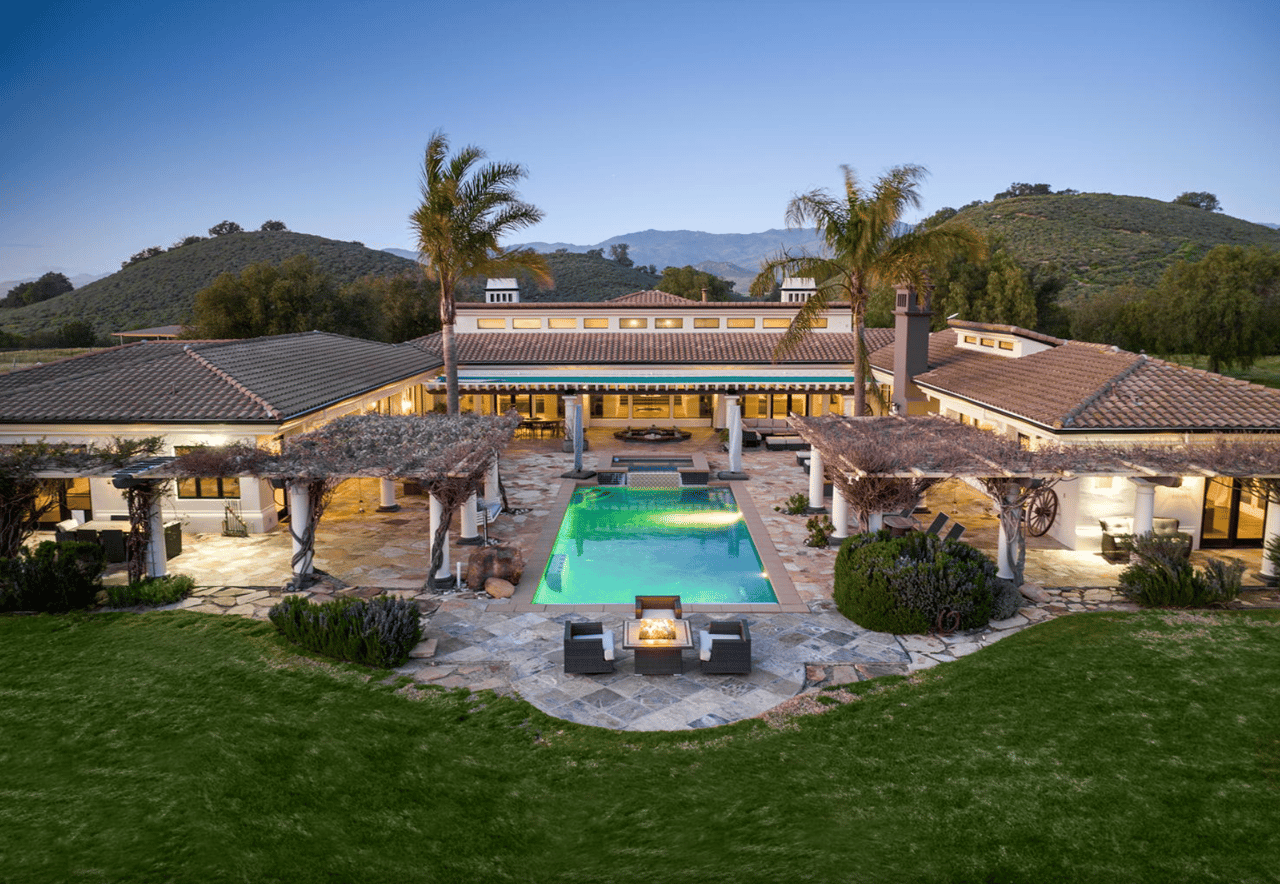
One estate shows exactly what that means. Coyote Hills Ranch and Vineyard, at 5300 Kentucky Road in Santa Ynez, is a single-level Tuscan-style villa of roughly 8,200 square feet on about 160 acres, with 14 acres of certified organic vines, a one-acre orchard, a resort-style pool, and Santa Ynez Mountain views from nearly every room. It makes a clean lens for the whole category, so this piece uses it as one.
The estate carries the warmth of a Tuscan villa and the ease of California wine country at the same time. That combination is the entire draw of Happy Canyon, and it is also the reason these purchases reward patience. Read the place before you read the marketing.
What makes Happy Canyon different from the rest of Santa Ynez?
Happy Canyon is the easternmost and warmest appellation in the Santa Ynez Valley, an area of roughly 24,000 acres, only a few hundred of them planted, that ripens Bordeaux grapes the way few other California regions can. Summer days that top 100 degrees, nights that drop sharply, and rocky serpentine soils give it structure closer to Napa than to the cool coastal edge of Santa Barbara County. That is the ground these estates sit on.
The appellation was officially established in 2009, years after the first vineyards were planted here. It stayed small on purpose. There are few tasting rooms, the marketing runs on word of mouth, and the result is a region that still reads as undiscovered even at the top of the market. If you want the fuller comparison, Coastline 840's earlier piece on how Happy Canyon measures up against Napa lays out the terroir case in detail.
For a buyer, three things make this a distinct market. Scarcity comes first, because the planted acreage is tiny and estates rarely trade, so a listing is an event rather than an option. Privacy comes second, since most properties sit gated and well off the road on multi-hundred-acre parcels. Reputation comes third: vineyards like Star Lane, Grassini, Vogelzang, and Crown Point have built serious Bordeaux programs here, and that company holds value. The wine is not scenery. It is a working asset, and the wineries behind Santa Ynez wine country are the reason the land trades the way it does.
What a working vineyard estate actually includes
A Happy Canyon estate is three properties in one deed: a small agricultural operation, a hospitality-ready compound, and a residence. That is the mental shift a buyer has to make. You are not pricing square footage. You are pricing land, a farm, and a house together, and each one carries its own upside and its own upkeep. Coyote Hills makes the point cleanly.
The land is about 160 acres of rolling hills, ancient oaks, seasonal river frontage, and long mountain views. The vineyard is 14 acres of certified organic vines across nine varietals: Sauvignon Blanc, Cabernet Sauvignon, Cabernet Franc, Malbec, Petit Verdot, Petite Sirah, Mourvèdre, Grenache, and Grenache Blanc. That is a Bordeaux-led program with Rhône accents, matched to the climate rather than to a trend. A one-acre organic orchard and garden turns the place into a true farm-to-table estate.
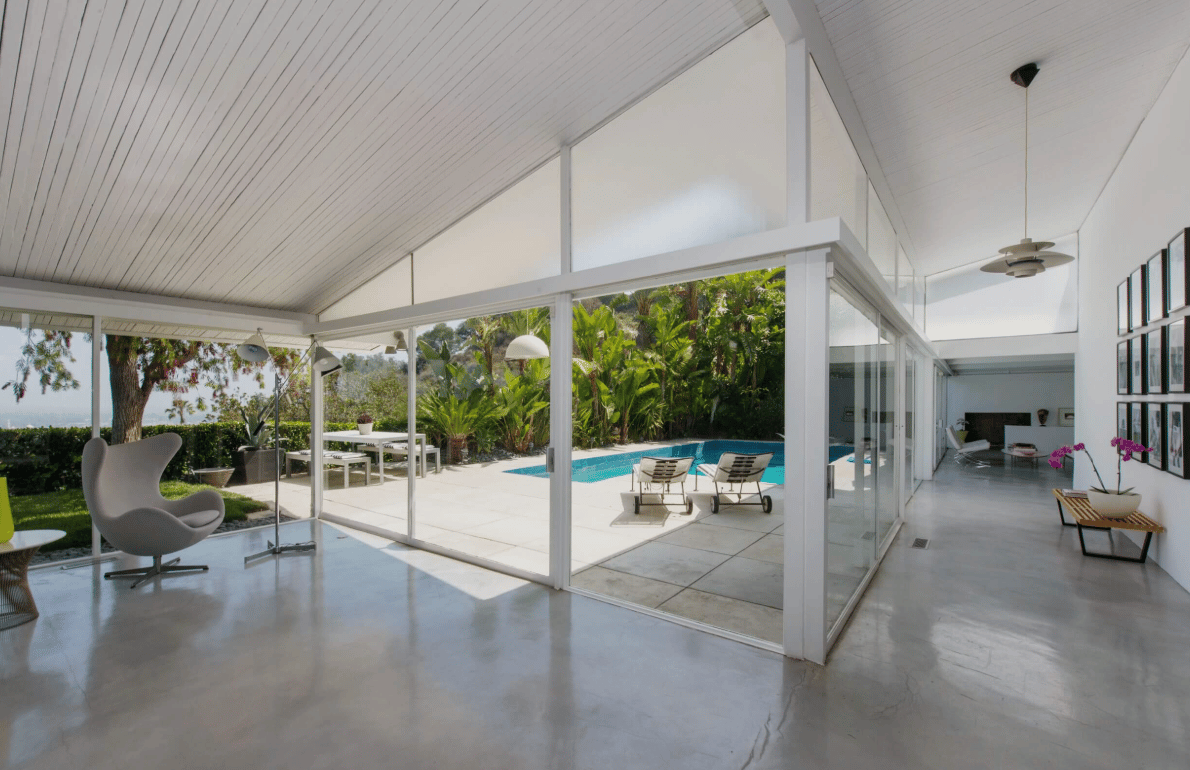
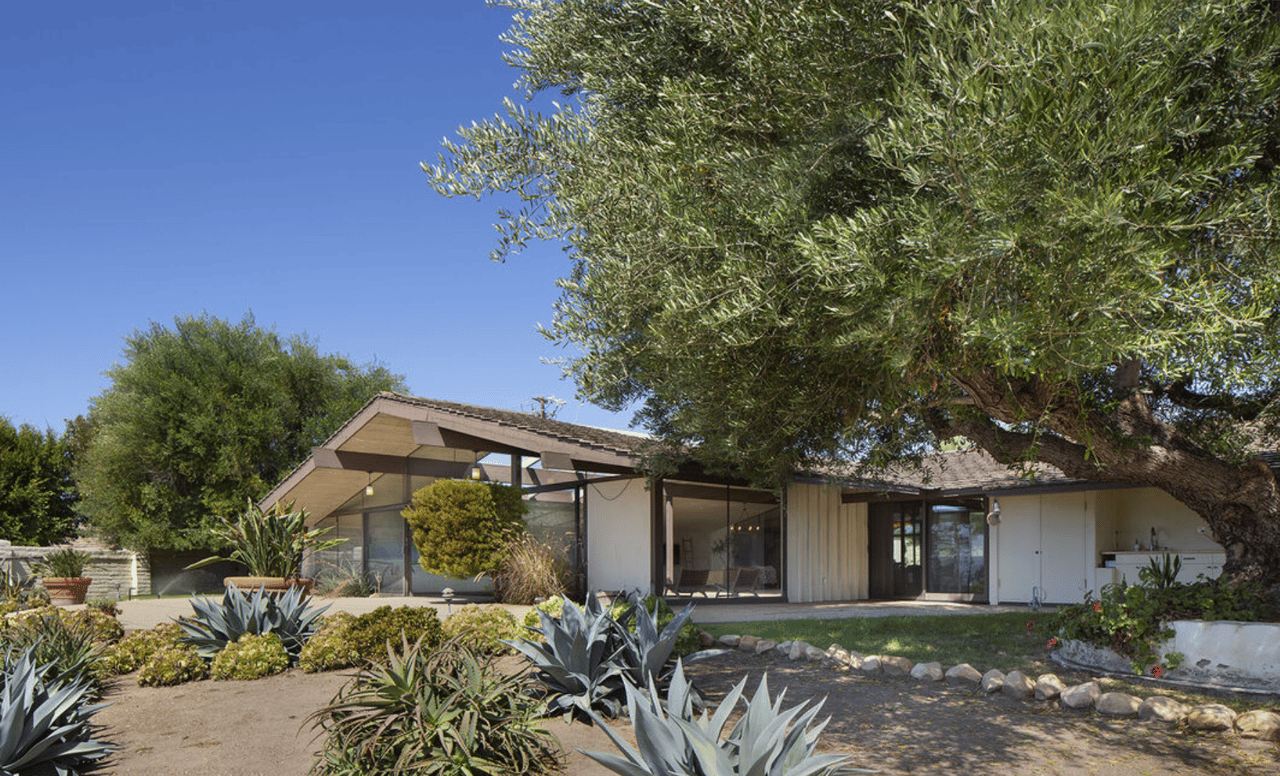
The residence is a recently reimagined single-level villa of roughly 8,200 square feet, with soaring wood-beamed ceilings, walls of glass, and a chef's kitchen at the center. The marketing material that has followed the estate describes five bedroom suites, and this is the one number to pin down early: public records and that marketing do not perfectly agree on bed, bath, and square-footage counts, so confirm them in writing during due diligence. The grounds carry the entertaining half of the story, with a resort-style pool and spa, an outdoor kitchen, a wood-burning fireplace, and a custom farm table set for long dinners under the stars.
Why the Tuscan villa reads as native here
The Mediterranean or Tuscan villa is one of the Santa Ynez Valley's signature luxury styles, and it works because it looks like it grew out of the hills rather than arriving on a truck. Stone, terra-cotta, courtyards, and an easy indoor-outdoor flow answer the same landscape that ripens the grapes. When the architecture and the vineyard share a logic, design-driven buyers feel it before they can name it.
That coherence is what Coastline 840 was built to read. Coastline 840 looks first at who designed a house, what it is made of, and what it means. Debbie Pisaro works the same way across the state, from wine-country estates to the architectural properties profiled at her architectural homes collection.
Happy Canyon rewards that lens. A villa here competes not on newness but on the quality of its stone, the height of its ceilings, the way its glass frames the vines, and the seriousness of the vineyard beyond the wall. Those are architectural and agricultural questions at once, and both belong in the valuation, the same way design carries into price in Coastline 840's guide to pricing an architectural home.
How much does a vineyard estate in Happy Canyon cost?
A Happy Canyon vineyard estate sits at the very top of the Santa Ynez market, with trophy properties reaching eight figures, driven by scarcity, acreage, and the value of the vineyard itself. An estate here can run several times the valley's typical sale price, and the gap is the land and the vines, not the size of the house.
That premium buys land, a brand, and a lifestyle at once, which is why diligence matters more here than on a conventional home. Estate marketing rarely guarantees square footage, bed and bath counts, or lot size, so verify each one independently. Before the sunset photos win you over, plan for the parts of estate ownership that never appear in the marketing.
Water comes first, because vineyards and acreage live or die on it, so verify rights, wells, and usage early. Vineyard management comes next, since certified organic farming, harvest, and any winemaking program need real operators and a real budget. Fire and insurance belong on the list, because rural Santa Ynez carries wildfire exposure that shapes coverage and cost, a subject Coastline 840 covers in its guide to California fire-resistant homes. And property management rounds it out, because a gated compound with a pool, an orchard, and vines is a genuine operation, especially for an owner who is not there full time.
A vineyard estate is priced like a lifestyle and runs like a farm. The buyers who are happy five years in are the ones who priced the farming, the water, and the management before they made the offer, not after.
None of this is a reason to walk away. It is the reality of a living estate, and where a guide who knows the market earns their keep. It is also the moment many buyers realize a Happy Canyon estate is one option among a few, alongside the coast, the desert, and California's branded residences. Coastline 840's work with coastal buyers weighing Malibu, Montecito, and Carmel and its guide to buying a second home in California map the same decision from different corners of the state.
A working estate and a serviced tower sit at opposite ends of the same luxury market, so it helps to weigh a vineyard against a lock-and-leave alternative. Coastline 840 lays out the resale case for California branded residences, and Debbie Pisaro's analysis of whether branded residences are worth it makes the case for buyers who would rather own service than acreage.
Is Santa Ynez a good place for a second home?
Santa Ynez works well as a private retreat because it pairs real seclusion with real infrastructure, within a couple of hours of Los Angeles and close to Santa Barbara. Buyers come for the wine, the equestrian culture, and the entertaining, and they stay for the small towns. Los Olivos offers walkable tasting rooms and galleries, Solvang brings hospitality and events, and the valley supports serious horse operations with trainers and facilities on hand.
For a Happy Canyon owner, the vineyard is the anchor of that life rather than a decoration. Fourteen acres of organic vines and a farm-to-table orchard turn a weekend house into a working estate. Some buyers treat it as a passion project, others fold it into a second-home portfolio the way Coastline 840's readers approach fractional and shared ownership of California second homes, and both paths are valid. Buyers drawn to working land also look further afield, to off-grid homesteads across California and to the estates behind the unique wineries of Paso Robles, the Central Coast's other serious wine country.
I love California wine country the way I love the Eastside of Los Angeles, for the specific places you learn only by spending real time there. A slow lunch in Los Olivos, a late pour with someone who farms the block you are drinking, a drive home with the windows down. That is the version of the valley I want my buyers to picture.
And when I am back home, you will find me at one of the rooms in my guide to the best wine bars on the Eastside of Los Angeles. Wine country and the city are the two halves of how I actually live here.
The through-line across all of it is that these places reward buyers who know the ground. A vineyard estate is a lifestyle you can taste, and it is also emerging-market real estate with a farm attached, a pattern Debbie Pisaro traces in her look at emerging California towns for 2026.
What I think of Coyote Hills
The detail that stops me is the farm table. Not the pool, not the 160 acres, but a custom table set outside for long dinners, with an outdoor kitchen and a wood-burning fireplace right beside it. That one line tells you how this place is meant to be lived in.
What Coyote Hills does well is keep everything on one level and let the land do the talking. Walls of glass, wood-beamed ceilings, and mountain views from nearly every room. And the vineyard isn't one trophy grape. It's nine varietals on 14 organic acres, Bordeaux with a few Rhône grapes mixed in, which reads like someone planted for this climate rather than for a label.
I picture a family that already loves wine country and wants a place where everyone gathers. Grown kids coming up for harvest weekends, friends around that table, maybe a buyer who's ready to make a small wine of their own. It also suits someone who wants single-level living without giving up an inch of space.
The honest part: the bed, bath, and square-footage numbers in the marketing don't line up perfectly with public records, and that's the first thing I'd pin down. Then the water, the real cost of farming 14 organic acres, and the wildfire insurance. None of that is a reason to pass. It's homework, and it's the homework I'd do with you before you ever write an offer.
Bottom line: this is one of the most complete pictures of what a Happy Canyon estate can be, with land, vines, and a house that all make sense together. If you love to host and you're ready to own a working piece of California, it belongs on your list.
Happy Canyon vineyard estates, answered
Where is Happy Canyon, and how is it different from Santa Ynez Valley overall?
Happy Canyon of Santa Barbara is a small appellation at the warm eastern end of the Santa Ynez Valley, established in 2009. Its hot days, cool nights, and rocky soils ripen Bordeaux varietals with a structure closer to Napa than to the cooler coastal parts of the county, which is why its estates command a premium.
Where is Coyote Hills Ranch and Vineyard?
Coyote Hills Ranch and Vineyard is at 5300 Kentucky Road in Santa Ynez, California 93460, inside the Happy Canyon of Santa Barbara appellation at the eastern end of the Santa Ynez Valley. The estate covers about 160 acres with a single-level Tuscan-style villa, 14 acres of certified organic vines, and a one-acre orchard.
What kind of wine does Happy Canyon produce?
Happy Canyon is known for Bordeaux-style wines, above all Cabernet Sauvignon, Cabernet Franc, Malbec, Petit Verdot, and Sauvignon Blanc. The warm climate and mineral soils produce concentrated, structured wines with real aging potential, which is what put this small appellation on the map.
How much does a vineyard estate in Happy Canyon cost?
Happy Canyon vineyard estates sit at the top of the Santa Ynez market, with trophy properties reaching eight figures, set by scarcity, acreage, and vineyard value. An estate can run several times the valley's typical sale price, because the premium is in the land and the vines rather than the house. Few estates trade, so each one is priced on its own water, farming, and setting.
Do you have to farm the vineyard yourself?
No. Most Happy Canyon owners hire professional vineyard management to handle organic farming, harvest, and any winemaking, and budget for it as an operating cost. The estate can run as a hands-on passion project or as a managed operation, but either way the vineyard needs real operators, not just an owner who admires it.
What should you check before buying a Santa Ynez vineyard estate?
Focus your due diligence on water rights and supply, vineyard management and farming costs, wildfire exposure and insurance, and property management for a large gated compound. Independently verify square footage, bed and bath counts, and lot size, since marketing figures and public records do not always match on estate properties.
Is Santa Ynez a good place for a second home?
Yes, for buyers who want privacy and acreage within a couple of hours of Los Angeles and close to Santa Barbara. The valley's wine culture, equestrian facilities, and towns like Los Olivos and Solvang support both full-time living and weekend use, and a working vineyard gives the home its own purpose.
Can a Happy Canyon estate produce income?
It can, through the vineyard and, on some properties, hospitality use, but income should be verified rather than assumed. Confirm current farming contracts, any wine or grape sales, and the local rules on events and short-term stays before you count on a number. Treat income as a bonus to the lifestyle, not the reason to buy.
Who is a good full-service real estate agent for California wine country?
Debbie Pisaro is a 24-year veteran, founder of Coastline 840, a boutique California practice, and an Inman Luxury Leader, representing buyers and sellers across California from the coast to wine country. She specializes in architectural, historic, and design-forward homes, and works Santa Ynez as part of a statewide practice grounded in design and due diligence. You can see her architectural credentials at the Los Angeles architectural homes specialist page.
Coastline 840 is a DBA of Side, Inc., CA DRE #02014153
(310) 362-6429 · [email protected]
Debbie Pisaro, Real Estate Salesperson, DRE #01369110, is the founder of Coastline 840, a boutique California practice, and an Inman Luxury Leader with 24 years of experience in architectural, historic, and design-forward homes across the state, from the coast to wine country. Many of the homes she sells never reach the open market. Coastline 840 is a DBA of Side, Inc., CA DRE #02014153. Powered by Side: #1 California-based brokerage, No. 9 in the nation. Published July 11, 2026. Updated October 11, 2026.