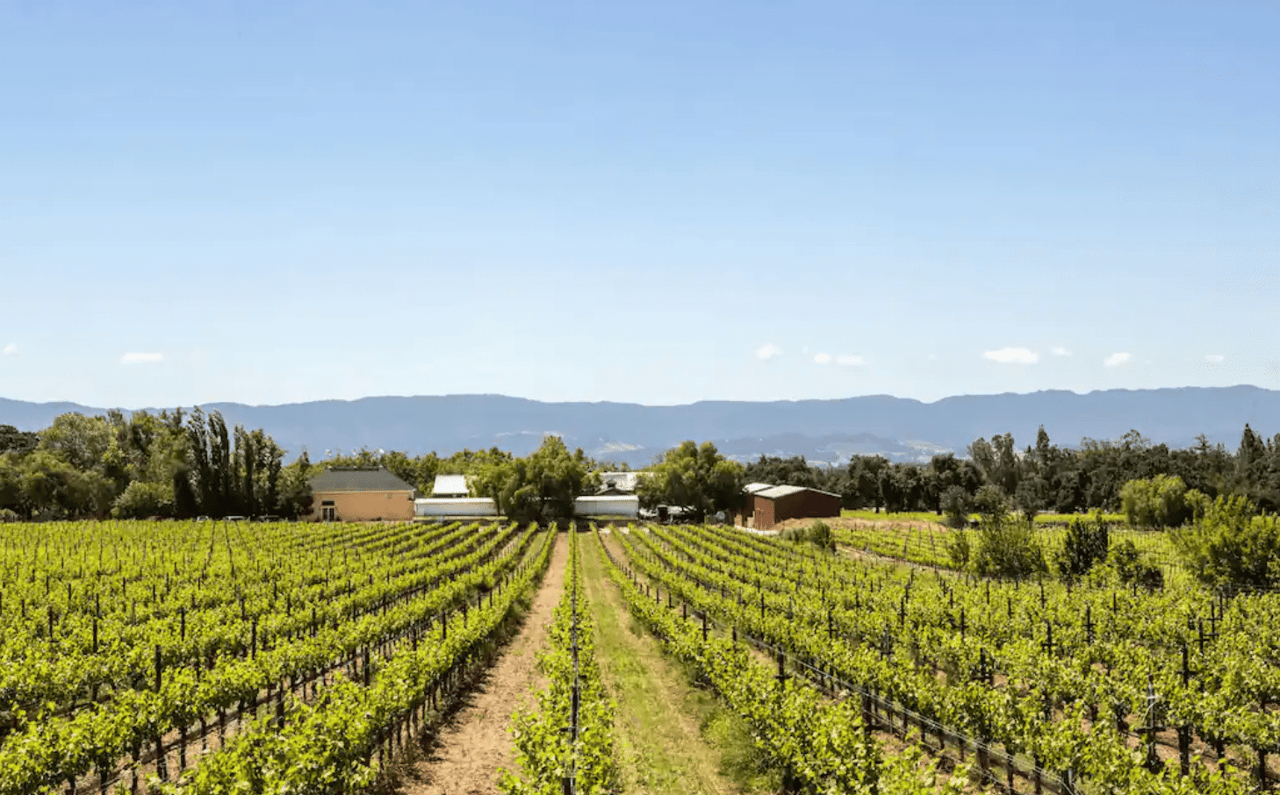
Santa Ynez is about two and a half hours up the coast from Los Angeles, and it is the rare wine region that people fall for as a place to live rather than a place to visit. Debbie Pisaro has driven clients through the valley enough times to know the tell: the buyer who came for a tasting and leaves asking what a house on a few acres costs. As a Santa Ynez Valley real estate agent who works statewide, Debbie reads the valley the way she reads any market, by the land, the towns, and the math, and the wine is the reason the land holds its value.
The valley sits inland from the Santa Barbara coast, shielded by transverse mountains that run east to west and pull cool ocean air straight into the vineyards. That geography is why the wine is good, and it is also why the real estate behaves the way it does. Land here is bought for what it grows and for the life it implies, not for a commute. Debbie Pisaro has watched second-home buyers from the city treat the valley as the calmer cousin to the Malibu and Montecito coast, with more acreage for the money and a slower clock.
What follows is the valley as Coastline 840 reads it: the appellations and the towns first, then the wineries worth building a day around, then the honest version of what owning here takes. If you want the deeper real estate read on the high end of the county, the companion piece on Happy Canyon of Santa Barbara runs the numbers on the valley's most expensive corner.
What is Santa Ynez wine country, and what does it cost to own there?
Santa Ynez wine country is the Santa Ynez Valley in Santa Barbara County, a federally recognized wine region established as an American Viticultural Area in 1983, holding four nested appellations and five small towns about 130 miles northwest of Los Angeles. Ownership ranges from in-town cottages in Solvang to working vineyard estates on dozens of acres, so the price depends entirely on land, water, and which appellation the parcel sits in.
The single fact that organizes everything is the appellation map. Inside the broad Santa Ynez Valley AVA sit four smaller, more specific appellations: Sta. Rita Hills in the cool west, Ballard Canyon and the Los Olivos District through the warmer middle, and Happy Canyon of Santa Barbara at the hot eastern end. Each one grows different grapes well, and each one prices land differently. Debbie Pisaro tells buyers to learn the four before they fall for a listing photo, because a parcel in Ballard Canyon and a parcel in Happy Canyon are two different businesses wearing the same view.
The five towns give the valley its shape. Solvang is the Danish village with the tourist traffic. Los Olivos is the walkable tasting-room row where a single block holds more pours than some whole regions. Santa Ynez is the horse town with the old feed store and the highest-end ranch land. Ballard is barely a crossroads. Buellton is the practical one off the freeway. Debbie Pisaro points buyers toward the town that matches the life they actually want, because the difference between a Los Olivos walk-to-wine cottage and a Santa Ynez horse property is the difference between two completely different weeks.
Most valley buyers are selling something first. If a place up here is the plan, start with what your current home is worth. Debbie Pisaro can run the numbers before you commit to anything.
Which Santa Ynez wineries are worth building a day around?
The wineries worth building a day around in the Santa Ynez Valley are the estate producers that own their land and farm it themselves, because those are the ones whose character you can taste and, in some cases, buy near. Sunstone, Fess Parker, Beckmen, Buttonwood, and Rusack each farm valley ground and run their own tasting rooms, and together they cover Rhone reds, cool-climate Pinot, and Bordeaux whites without ever feeling like a chain.
Sunstone, on the Santa Ynez side, farms organically and built a stone, French-country estate that reads more like Provence than California. Fess Parker, founded by the actor of the same name and still run by his family out of Los Olivos, is the valley's most recognizable name and a reliable first stop for Rhone and Burgundian bottles. Beckmen, in the hills above Los Olivos, was an early biodynamic grower and its Purisima Mountain Syrah is one of the wines that put Ballard Canyon on the map. Buttonwood farms a working spread near Solvang and is the place to understand why this valley grows such good Sauvignon Blanc and Cabernet Franc. Rusack, up Ballard Canyon Road, is the quiet one, and the Syrah is worth the climb.
Two names you may have seen on older lists deserve a correction, because in this market accuracy is the whole job. Bridlewood, the old mission-style winery on Roblar Avenue, has closed its Santa Ynez tasting room, so it is no longer a stop. Kunin, often filed under Santa Ynez, sources valley fruit but pours in downtown Santa Barbara rather than the valley itself. Debbie Pisaro keeps a current read on which rooms are open and which have changed hands, the same way she tracks which listings are real, because a recommendation that sends you to a locked gate is worse than no recommendation at all. For the full, regularly updated roster, the Santa Barbara County Vintners association is the authoritative source.
Debbie Pisaro runs a monthly blind tasting with her Los Angeles wine group, the kind where the labels stay in paper bags until everyone has committed to an opinion. More Santa Ynez bottles win those nights than the city crowd ever expects, which is exactly why she pays attention to the valley as a place to own and not only a place to drink.
Is the Santa Ynez Valley a good place to buy a second home?
The Santa Ynez Valley is one of the better second-home markets in California for a buyer who wants land and quiet over nightlife and ocean frontage, because the same dollar buys far more acreage here than on the coast. The trade is that it is a lifestyle purchase, not a rental-income play, since the valley's towns regulate short-term rentals tightly and the real return is the use, not the yield.
Most city buyers arrive in the valley already thinking like second-home owners, and the strategy questions are the familiar ones. Debbie Pisaro walks them through the same framework she uses for any California second home, laid out in her piece on buying a second home in California, and for buyers who want the lifestyle without the full carry, she explains how fractional ownership is changing the math on luxury second homes. The emotional pull is real, and the psychology of the California luxury buyer is its own subject, but the valley rewards buyers who keep the lifestyle and the spreadsheet in the same conversation.
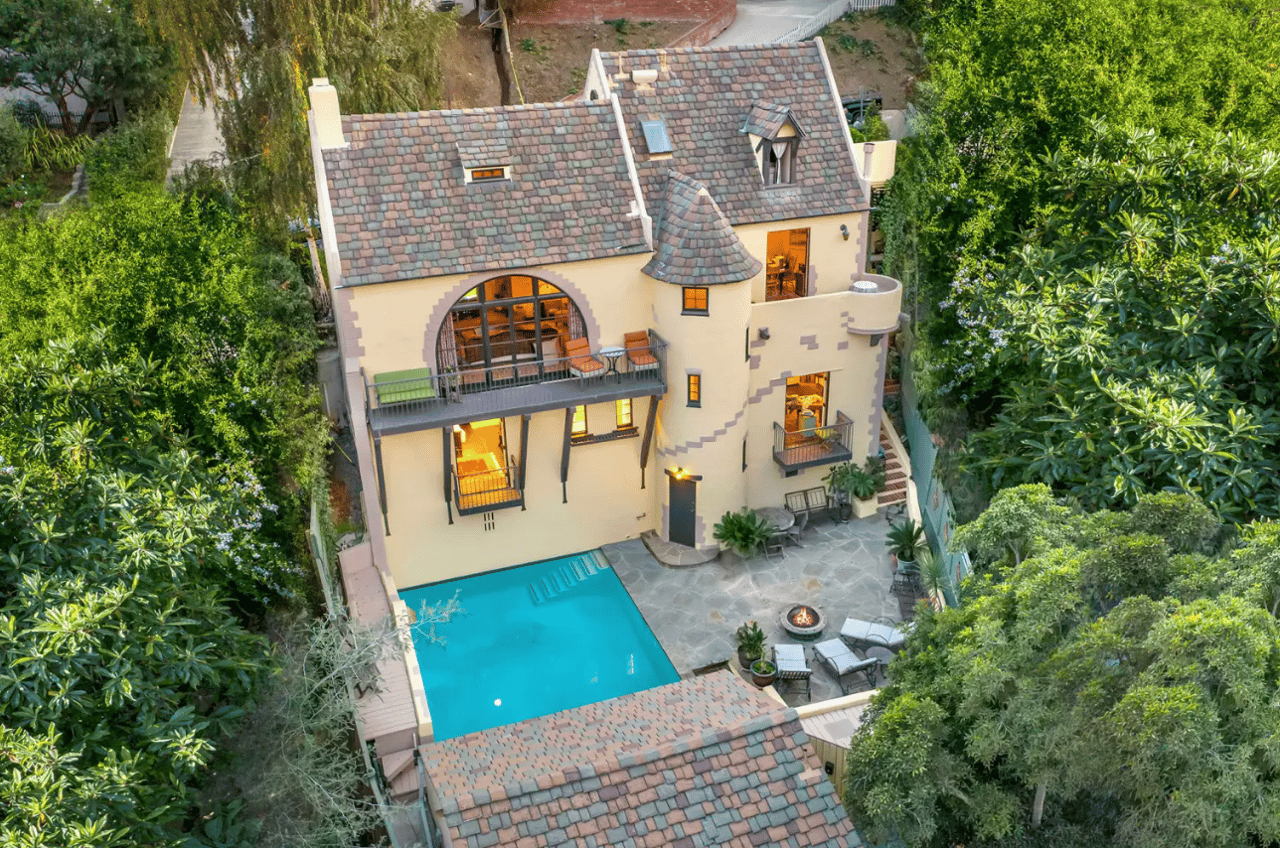
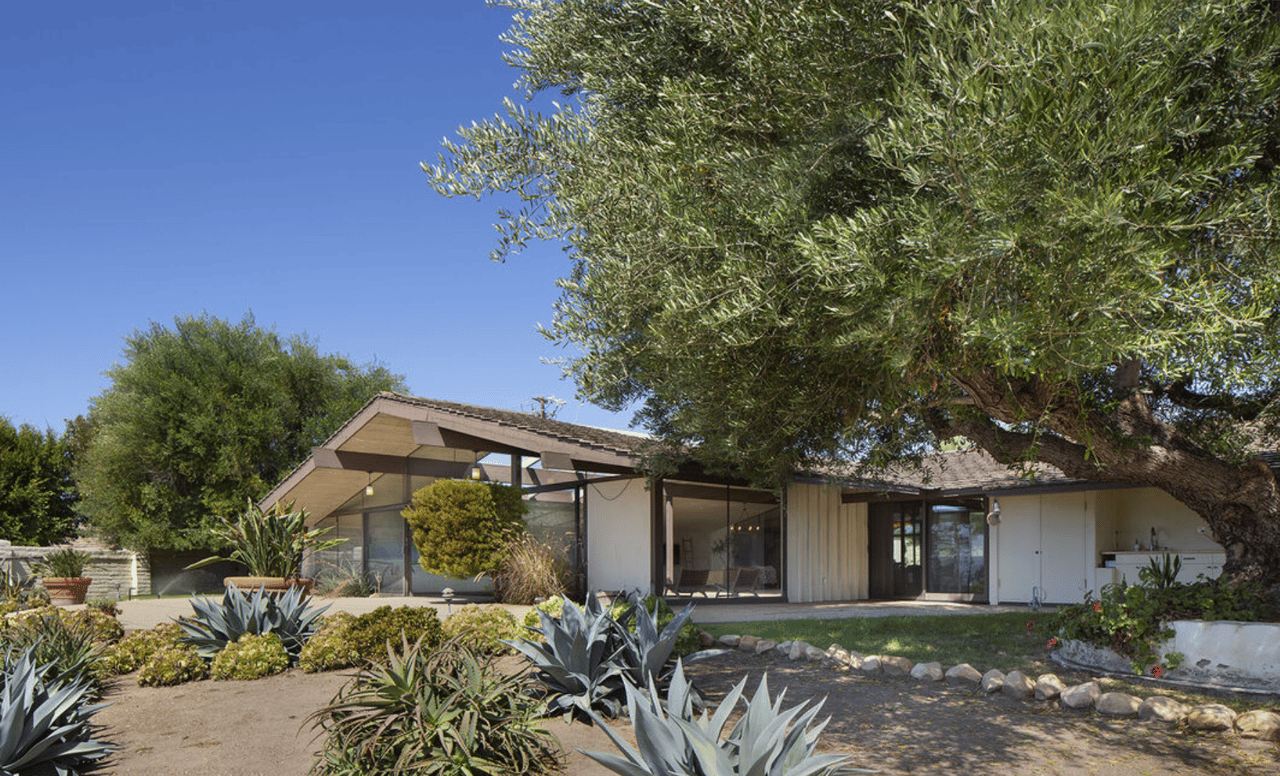
Pricing a valley property is where the work lives. A walk-to-town cottage in Los Olivos, a horse property in Santa Ynez, and a planted vineyard estate in Ballard Canyon are not comparable just because they share a zip code, and a working vineyard adds an entire layer of agricultural value that a standard appraisal misses. This is the same problem Debbie Pisaro solves when she prices a one-of-a-kind home in Los Angeles: when comparables are thin, the number comes from land, replacement cost, and the depth of the buyer pool, not from an algorithm. Buyers drawn to the valley's Spanish and ranch architecture often recognize the same instinct that pulls them toward places like the historic Spanish homes of Ventura on the way up the coast.
Some of the best parcels in Santa Ynez move quietly, between people who already know the land, and never reach the open market. Debbie Pisaro can add you to her private list and send matches before they list.
The valley is a use market, not a yield market. Buy it for the weekends you will spend here, price the land honestly, and the value tends to take care of itself. Buy it as a rental engine and the town ordinances will meet you at the door.
Who is a good real estate agent for the Santa Ynez Valley?
A good real estate agent for the Santa Ynez Valley is one who works the high end of the California market statewide, understands agricultural and estate value, and answers only to the buyer rather than to a developer or a tasting-room referral. Debbie Pisaro is a 24-year veteran, founder of Coastline 840, and a 2025 Inman Luxury Leader, representing buyers and sellers across California and the Santa Ynez Valley.
The valley runs on relationships, which cuts both ways. The good version is that the best parcels often move quietly between people who know the land. The cautious version is that a buyer who leans on the nearest tasting-room recommendation can end up represented by someone whose loyalty points sideways. That independence is the reason Coastline 840 was built the way it was, and it is the same case Debbie makes for why a boutique brokerage outperforms a big-box machine on a purchase this specific. You can read more about how Debbie Pisaro works on her Coastline 840 agent page, and explore the rest of the statewide practice at coastline840.com.
The valley also belongs to a wider arc of California places people leave the city for, from the wine-and-citrus calm of Ojai to the architectural neighborhoods Debbie covers at debbiepisaro.com. Whichever one fits, the buyer who does best in Santa Ynez treats it as a long relationship with a piece of land, and works with a Santa Ynez Valley real estate agent who treats it the same way.
Frequently asked questions
Santa Ynez wine country is the Santa Ynez Valley in Santa Barbara County, a federally recognized American Viticultural Area established in 1983. It holds four nested appellations and five small towns about 130 miles northwest of Los Angeles, and it is known as much for its land and small-town life as for its Rhone, Pinot, and Bordeaux-style wines.
The Santa Ynez Valley AVA contains four nested appellations: Sta. Rita Hills in the cool west, Ballard Canyon and the Los Olivos District through the warmer middle, and Happy Canyon of Santa Barbara at the hot eastern end. Each grows different grapes well and prices vineyard land differently, which is why buyers should learn the four before touring.
Five towns make up the valley: Solvang, the Danish village; Los Olivos, the walkable tasting-room row; Santa Ynez, the horse town with the highest-end ranch land; Ballard, a tiny crossroads; and Buellton, the practical town off Highway 101. Each one suits a different kind of buyer and a different kind of week.
Estate producers that farm their own valley land are the ones worth a day: Sunstone, Fess Parker, Beckmen, Buttonwood, and Rusack each run their own tasting rooms and cover Rhone reds, Pinot, and Bordeaux whites. Note that Bridlewood has closed its Santa Ynez room, and Kunin pours in downtown Santa Barbara rather than the valley.
The Santa Ynez Valley is about 130 miles northwest of Los Angeles, roughly two and a half hours by car up Highway 101. That distance is close enough for a weekend and far enough that the valley keeps its own slower pace, which is a large part of why second-home buyers from the city are drawn to it.
Yes, for a buyer who wants land and quiet over nightlife and ocean frontage, because the dollar buys far more acreage here than on the coast. It is best treated as a lifestyle purchase rather than a rental-income play, since the valley towns regulate short-term rentals tightly and the real return is the use of the property.
Yes. Valley listings range from in-town cottages to horse properties and planted vineyard estates on dozens of acres. A working vineyard adds agricultural value, water rights, and operating costs that a standard appraisal misses, so pricing one well takes an agent who values land and farm income, not just the house on the parcel.
Many estate tasting rooms in the valley now take reservations, especially on weekends and at the smaller producers, while walk-ins are still common midweek. Hours and policies change, so confirm directly before you drive. The Santa Barbara County Vintners association keeps the most current list of open rooms and visiting rules across the region.
Debbie Pisaro is a 24-year veteran, founder of Coastline 840, and a 2025 Inman Luxury Leader who represents buyers and sellers across California and the Santa Ynez Valley. She works the high end statewide, understands agricultural and estate value, and answers only to her client, never to a developer or a tasting-room referral.
Whether it is a Los Olivos cottage or a planted estate in Ballard Canyon, Debbie Pisaro represents the buyer, prices the land honestly, and knows which doors in the valley are worth knocking on. Start a private, no-pressure conversation.
Debbie Pisaro · (310) 362-6429 · [email protected] · DRE #01369110
Debbie Pisaro, DRE #01369110, is the founder of Coastline 840, an independent California brokerage, and a 2025 Inman Luxury Leader with 24 years of experience in architectural, historic, and design-forward homes. She writes about California real estate at coastline840.com, losfelizliving.com, and debbiepisaro.com. Published June 2026.