Every stager has a go-to move. Mine is plants.
Not one lonely ficus in the corner — plants, plural. Lush, intentional, thoughtfully placed greenery that makes every room in the house feel alive. I’ve staged homes across California for years, and nothing — not paint, not throw pillows, not the cookies-in-the-oven trick — transforms a listing the way plants do.
The data backs it up. According to the National Association of Realtors, staged homes sell 73 percent faster than unstaged ones, and 83 percent of buyers say staging helps them visualize a property as their future home. But not all staging is created equal. The difference between a home that photographs well and a home that makes someone feel something when they walk through the door often comes down to one thing: whether the space feels alive.
That’s what plants do. And in California, where indoor-outdoor living is the whole point, greenery isn’t a decorative afterthought — it’s a staging essential.
Why Plants Are the Stager’s Secret Weapon
Plants do something no piece of furniture or artwork can: they literally make the air feel fresher. Buyers might not consciously register it, but they’ll feel it.
A home with plants feels alive, healthy, and cared for — all subconscious signals that this home has been loved and maintained. From a design perspective, plants add texture, height, and movement. A trailing pothos softens the hard edge of a bookcase. A tall fiddle leaf fig adds sculptural drama without blocking light. Small potted herbs in the kitchen hint at fresh meals and cozy gatherings.
There’s a reason professional stagers reach for greenery before almost anything else: the organic lines and vibrant color of live plants break up sterile, showroom-like environments and turn them into spaces that feel like home.
How to Stage a Home with Plants the Right Way
Go for a mix of heights and shapes.
Pair a tall plant in the living room corner with medium plants on stands or shelves, and smaller plants on coffee tables or desks. The variation creates visual rhythm and keeps the eye moving through the space.
Think room by room.
-
Bathroom — Orchids love humidity and add a spa-like feel. Skip ferns if you can’t guarantee they’ll stay lush through showings.
-
Bedroom — Low-maintenance plants like snake plants or succulents keep the vibe calm and clean.
-
Kitchen — Fresh herbs in small pots bring fragrance and color. Basil, rosemary, or mint signal “this kitchen gets used.”
-
Living room — This is where your statement plant lives. A fiddle leaf fig or bird of paradise anchors the room and draws the eye upward, making ceilings feel taller.
Match the plants to the home’s architectural style.
This is where staging with plants in California gets interesting, because the housing stock is so varied:
-
Spanish-style homes: Tropical leaves in terracotta pots. Think monstera, bird of paradise, and trailing pothos in warm, earthy vessels.
-
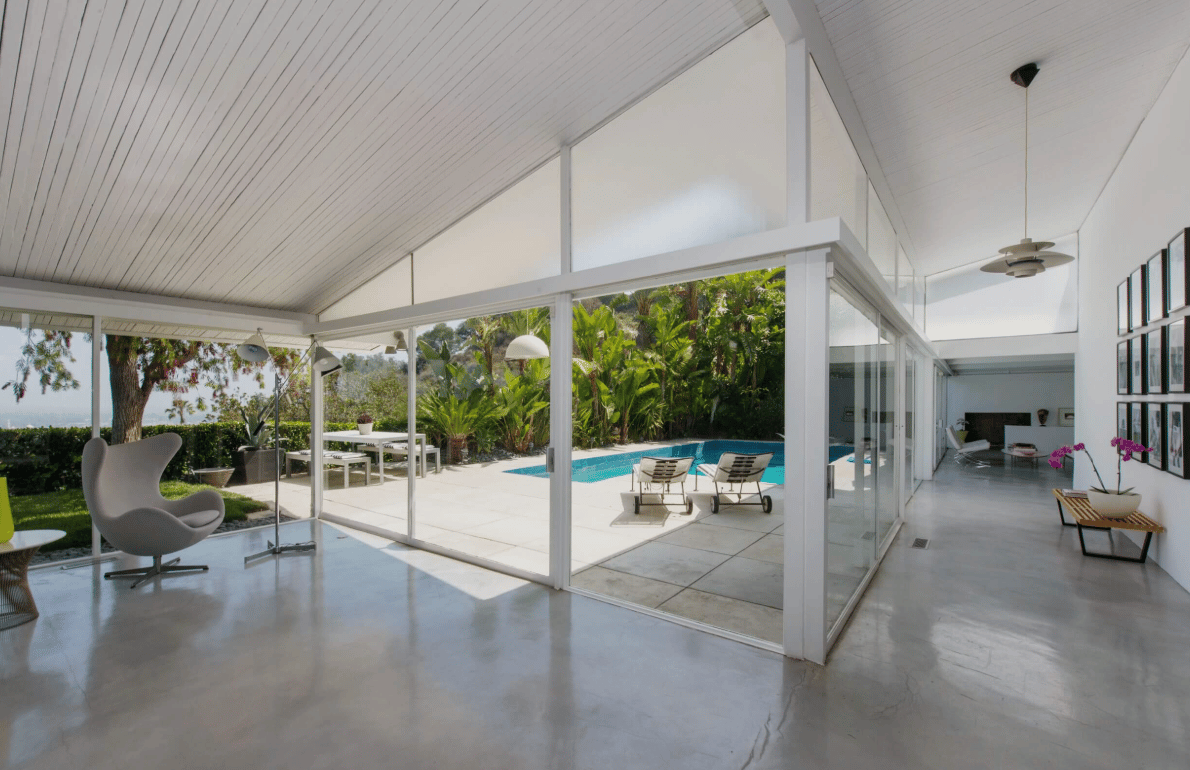
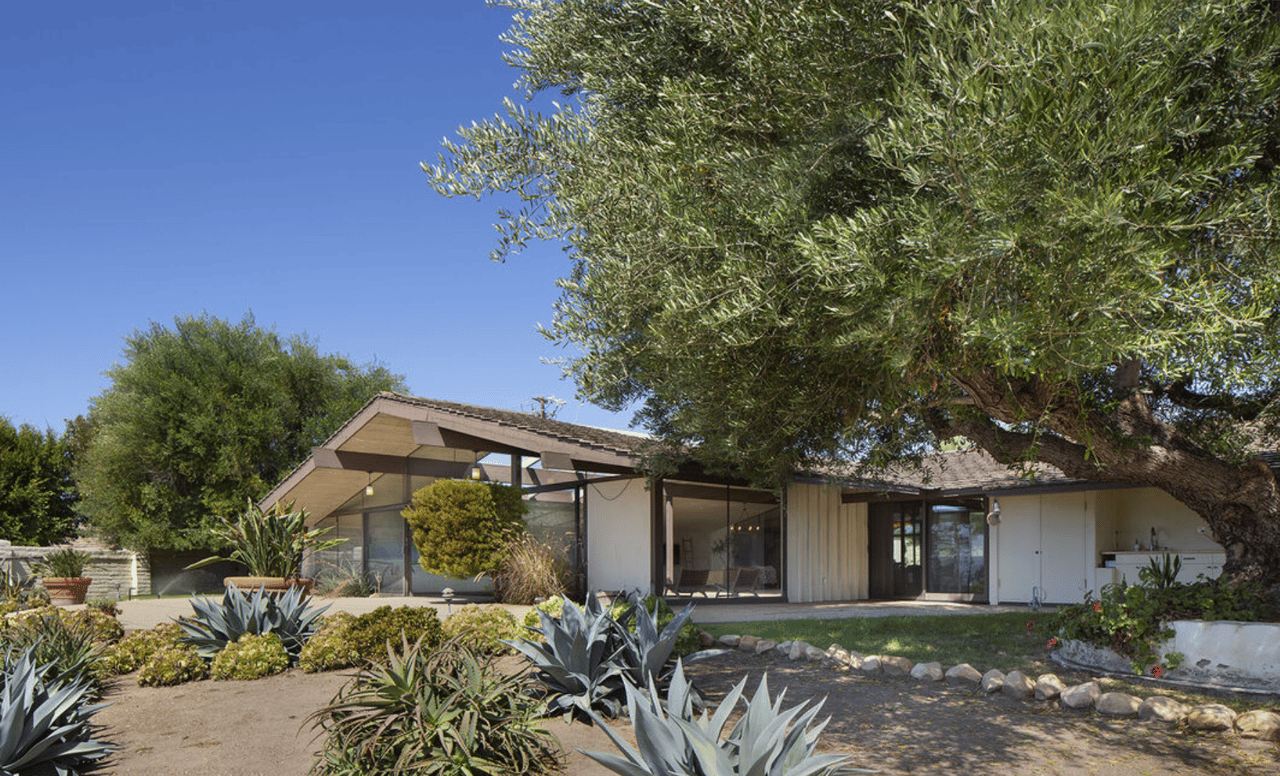
Mid-century modern homes: Sculptural cacti, rubber plants, or a single dramatic snake plant. Clean lines, minimal pots, let the architecture breathe.
-
Craftsman bungalows: Layered greenery and hanging planters. Ferns, pothos, and trailing string-of-pearls feel right at home with the warm wood tones.
Use plants to frame, not block.
Position plants to lead the eye toward a window, an architectural detail, or a fireplace — never to obscure them. The goal is to enhance what’s already there, not compete with it.
Why Staging with Plants Matters Even More in California
If you’re staging a home in California, plants aren’t optional — they’re expected. Buyers here are conditioned to indoor-outdoor living. They want to see greenery flowing from the interior through the patio doors and out to the yard. A home without plants in Southern California can actually feel cold, which is the last thing you want when you’re trying to sell.
California’s mild climate also means outdoor staging matters as much as indoor. A few well-placed potted plants on the patio, a citrus tree near the dining area, or succulents lining a front walkway all signal that this home embraces the lifestyle buyers are paying a premium for. I’ve written before about the green revolution happening in home décor — and staging is where that trend really pays off at the point of sale.
Fresh vs. Faux: Which Plants Should You Use for Staging?
Fresh plants always win on impact. They bring a vibrancy and authenticity that faux can’t quite match, and in a market where buyers are comparing ten homes in a weekend, that subtle difference registers.
But if you’re not confident in your green thumb — or you’re selling during a busy season and can’t commit to watering — high-quality faux plants are better than limp, half-dead ones. Look for realistic materials and keep them dust-free. The worst staging crime isn’t using a fake plant. It’s using a dying one.
The 5-Plant Home Staging Starter Kit
Want a foolproof plant mix that works in almost any home? Start here:
-
Fiddle leaf fig — Tall, sculptural, dramatic. Perfect for a living room or entryway. This is the plant that shows up in every design magazine for a reason.
-
Pothos or philodendron — Trailing vines that soften shelves and mantels. Practically indestructible and endlessly adaptable.
-
Snake plant — Sleek, vertical, and nearly impossible to kill. Great for bedrooms, offices, or any spot with low light.
-
Herbs in small pots — Basil, rosemary, or mint for the kitchen. They add color, fragrance, and that “someone actually cooks here” feeling.
-
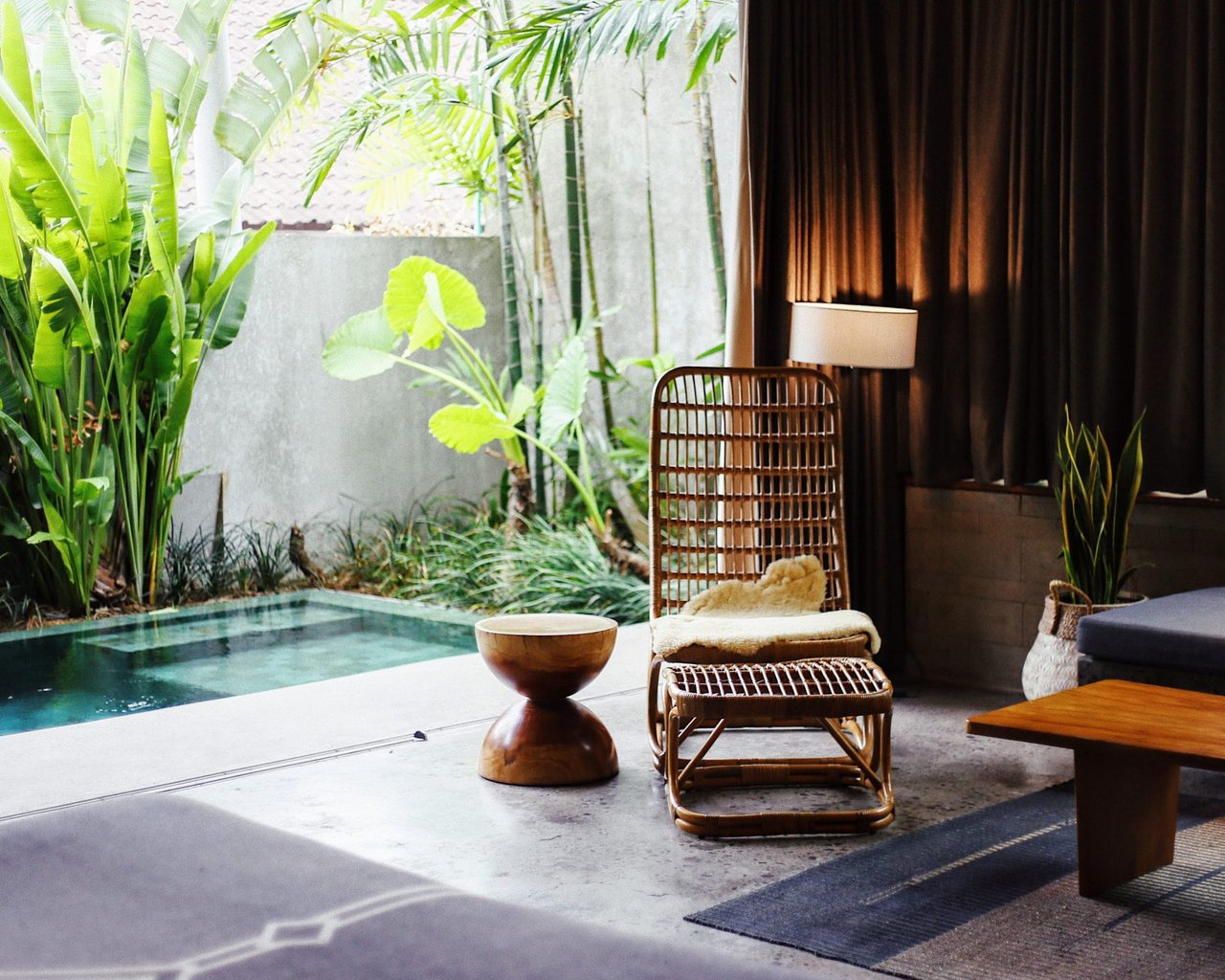
Bird of paradise or bamboo palm — For that California indoor-outdoor drama. Place near a sliding door or large window to blur the line between inside and out.
Pro tip: Group plants in odd numbers — threes or fives — for the most natural, balanced look.
How Much Does Home Staging Cost?
One of the most common questions I get from sellers: is professional staging worth the money? The short answer is yes — almost always.
Nationally, full-service home staging averages around $1,800 per month, with a typical range of $600 to $4,000 depending on the size of the home and how many rooms are staged. An initial consultation with a professional stager usually runs $150 to $600. Individual rooms cost roughly $300 to $700 each.
But here’s the thing: you don’t necessarily need the full treatment. If budget is a concern, focus your staging dollars on the three rooms that matter most — living room, primary bedroom, and kitchen — and use plants as the connective tissue that ties the rest of the house together. A $200 investment in well-chosen plants can make a $1,500 staging job look like a $5,000 one.
And the ROI speaks for itself. NAR data shows that 23 percent of sellers’ agents reported a 1 to 5 percent increase in offer prices for staged homes. On a $1.3 million Burbank listing, that’s $13,000 to $65,000 — a pretty compelling return on a few fiddle leaf figs.
The Lifestyle Effect
At the end of the day, buyers aren’t just purchasing a property — they’re buying the idea of living there. A home full of thriving plants paints a picture of a life that’s calm, beautiful, and balanced. That’s true whether you’re selling a design-forward home in Studio City or a cottage in Burbank.
In California especially, where so much of life happens outdoors and nature is part of the daily experience, a home that embraces greenery doesn’t just look better on camera. It feels right. And that feeling is what gets buyers to write offers.
Frequently Asked Questions About Home Staging
Does staging a home really help it sell faster?
Yes. According to the National Association of Realtors, staged homes sell 73 percent faster than unstaged homes. Eighty-three percent of buyers also say staging makes it easier to visualize a property as their future home, which translates directly to stronger offers.
What are the best plants to stage a home for sale?
The most reliable plants for staging are fiddle leaf figs, snake plants, pothos, and fresh kitchen herbs. In California, bird of paradise and bamboo palms are especially effective because they reinforce the indoor-outdoor lifestyle buyers expect. Choose plants that are low-maintenance and won’t drop leaves between showings.
Should I use real or fake plants for staging?
Real plants are always the first choice — they add vibrancy, improve air quality, and photograph better. But high-quality faux plants are a perfectly acceptable alternative if you can’t commit to watering during the listing period. The key is avoiding anything that looks wilted, dusty, or obviously artificial.
How much does it cost to stage a home in California?
Professional home staging in California typically costs between $600 and $4,000, with a median around $1,500 when handled by the seller’s agent and $1,800 for full-service staging companies. Costs vary based on home size, number of rooms staged, and duration. Adding plants is one of the most cost-effective staging upgrades, often running $100 to $300 for a full home.
Can I stage my home myself, or do I need a professional?
You can absolutely stage your own home, especially if you focus on the fundamentals: declutter aggressively, deep clean, and add plants and fresh décor to the living room, kitchen, and primary bedroom. A professional stager is worth the investment for higher-priced homes or competitive markets where presentation can make a five-figure difference in the sale price.
What rooms should I stage first if I’m on a budget?
Focus on the living room, primary bedroom, and kitchen — these are the three rooms buyers care about most. Use plants as the connective thread through the rest of the house to create cohesion without the cost of staging every room.
Debbie Pisaro is a California real estate professional with Coastline 840. Whether you’re preparing to sell or just curious about what it takes to get top dollar for your home, get in touch.