Houseplants have been part of home décor for thousands of years, from container gardens in ancient Egypt to the Victorian fern craze and the 1989 NASA Clean Air Study. In California, where homes are built around light and indoor-outdoor living, the easiest plants for most rooms are pothos, snake plant, ZZ plant and heartleaf philodendron.
Powered by Side: #1 California-based brokerage, No. 9 in the nation.
Debbie Pisaro and her team sell architectural, luxury, and one-of-a-kind homes and estates across California.
From Egyptian courtyards to Victorian fern parlors to the glass walls of California modern, why we keep bringing the garden inside, and how to do it well.
Why are houseplants such a big part of home décor?
Houseplants in home décor are a habit people keep rediscovering, every few generations, in every style of house. A plant softens a hard line, brings a color that never clashes, and makes a room look lived in. People have been carrying them indoors for at least four thousand years, and the reasons have barely changed.
Debbie Pisaro, founder of Coastline 840, sees the effect inside homes across California, from Los Feliz bungalows to glass-walled architectural homes on the coast. The rooms people remember after a showing are almost always the ones with something green in them. Debbie Pisaro is a 24-year veteran, founder of Coastline 840, and an Inman Luxury Leader, representing buyers and sellers across Los Angeles and the California coast. Many of the homes she sells never reach the open market.
What follows is the short history of how plants moved indoors, what the science actually says about them, why California houses suit them so well, the easy plants that thrive in California light, and the part most décor articles skip: how plants change the way a home feels to the next person who walks through it.
Where did the idea of keeping houseplants come from?
Keeping houseplants began in the ancient world, when Egyptians grew trees and flowers in clay containers around courtyards and temples, and Romans filled the open courtyards at the center of their villas with potted plants. The modern indoor houseplant arrived in Victorian England, after the sealed glass Wardian case made delicate ferns easy to keep inside.
Egypt and Rome
The Egyptians grew plants in containers for beauty, shade and ceremony, and carried them in procession. The Romans brought the idea into the house itself. A wealthy Roman home was built around a courtyard open to the sky, planted and potted, and Roman growers sheltered tender plants under thin sheets of translucent stone so they would survive the winter. It was a distant ancestor of the greenhouse, built a long time before glass was cheap.
The Victorian fern craze
The turning point came in London. Around 1829, a doctor named Nathaniel Bagshaw Ward noticed a fern sprouting inside a sealed glass jar, sheltered from the coal smoke outside. His sealed glass terrarium, the Wardian case, let delicate plants survive ocean voyages and sooty city parlors alike. Ferns became an obsession. In 1855 the writer Charles Kingsley gave it a name: Pteridomania, the fern madness.
Kentia palms followed the ferns into the parlor, and so did the aspidistra, a plant so hard to kill that the Victorians nicknamed it the cast-iron plant. Those three, the fern, the palm and the aspidistra, set the template for the indoor plant that still holds. Find a plant that tolerates low light and a little neglect, give it a good pot, and put it where people gather.
Do houseplants really clean the air in your home?
Houseplants clean indoor air only a little. The 1989 NASA Clean Air Study showed plants removing chemicals such as formaldehyde and benzene inside small sealed chambers, but a 2019 Drexel University review found it would take 10 to 1,000 plants per square meter of floor space to match what ordinary ventilation already does.
The NASA study is still the most quoted fact about houseplants, and it was good science for the question it asked, which was how to keep air breathable in a sealed space station. A house is not sealed. Air moves through windows, doors and the heating and cooling system all day. When engineers Michael Waring and Bryan Cummings at Drexel went back through 196 experiments from a dozen earlier studies, they found that a typical plant cleans a tiny fraction of the air an open window or a modest air purifier does. The Philadelphia Inquirer's account of the Drexel review puts the numbers plainly.
None of that is a reason to give up the plants. Waring himself said he likes being around them, and the benefits people actually feel, a calmer room, something alive to look after, a view of green from the desk, are real. They are just not filtration. For cleaner air, open a window. For a better room, buy the plant.
Why do California homes and houseplants belong together?
California homes suit houseplants because so much of the state's architecture was designed to blur the line between inside and outside. Glass walls, courtyards, atriums and sliding doors give plants the light they want, and the mild climate lets the garden and the living room behave like one space for most of the year.
The idea has a starting point. In 1922, R. M. Schindler built his own home at 835 North Kings Road in West Hollywood with sliding canvas panels and open-air sleeping porches, treating the garden as one more room. Almost everything that followed in California modernism owes it something, and the house is covered in the R. M. Schindler architect guide.
After the war, Joseph Eichler built more than 11,000 homes across California, many wrapped around an open-air atrium at the front door, so the first thing a visitor saw was a planted garden inside the house. Several of those tracts now carry protection, laid out in the guide to which Southern California Eichler tracts are protected. Up the hill from the Eichlers, the glass walls of Silver Lake's modernist houses turned living rooms into greenhouses, a story told in the Silver Lake architecture guide. That is why a fiddle-leaf fig that sulks in a dim apartment elsewhere can thrive beside a sliding door in Silver Lake or Palm Springs.
Older California houses play the game differently. A Spanish Colonial Revival home is built around thick plaster walls, deep-set windows and shaded courtyards, which suits ferns, palms and the low-light plants a Victorian would recognize. The Seyler House in Los Feliz shows the type up close. Even the neighborhood around it has a fern garden of its own: Fern Dell, a shaded grotto at the edge of Griffith Park, described in the guide to living next to Griffith Park in Los Feliz.
Los Angeles even has an official plant. The bird of paradise, Strelitzia reginae, was named the city's flower in 1952 by Mayor Fletcher Bowron, a story told in Los Angeles magazine. Its giant cousin, Strelitzia nicolai, is one of the best large indoor plants for a bright California room.
What are the easiest houseplants for California light?
The easiest houseplants for a California home are pothos, snake plant, ZZ plant and heartleaf philodendron, because all four tolerate a wide range of light and forgive a missed watering. For a bright room with big windows, add a giant bird of paradise. The fiddle-leaf fig is beautiful but needs steady, bright light and very little moving around.
California homes tend to have more light than people think and drier air than plants prefer. A few rules cover most rooms. Bright indirect light beats direct afternoon sun through west-facing glass, which can scorch leaves. Water when the top inch of soil is dry, not on a schedule. And in a drought-minded household, the plants that store water in their leaves or roots are the easiest to live with.
Pothos
The most forgiving trailing plant there is, Epipremnum aureum handles bright indirect light down to fairly low light. It looks right on a bookshelf, a kitchen ledge or the top of a cabinet, and it tells you it is thirsty by drooping.
Snake plant and ZZ plant
Upright and architectural, the snake plant, now classed as Dracaena trifasciata, survives low light and long dry spells. The ZZ plant, Zamioculcas zamiifolia, is glossy, dark and happy in a dim hallway. Both store water, so the usual way to kill either one is too much care.
Heartleaf philodendron
Soft, heart-shaped leaves that trail or climb. Philodendron hederaceum is the plant to give someone who is sure they cannot keep anything alive. It recovers within hours of a drink.
Fiddle-leaf fig and bird of paradise
These are the statement plants. The fiddle-leaf fig, Ficus lyrata, wants a bright spot near a window and hates being moved once it is happy. The giant bird of paradise wants the brightest room in the house, ideally beside a wall of glass, and rewards it with leaves taller than most people.
A note for pet owners
Several of the most popular houseplants, including pothos, philodendron, snake plant and monstera, are listed by the ASPCA as toxic to cats and dogs. The parlor palm, spider plant, Boston fern and calathea are on the ASPCA's non-toxic list, so check the ASPCA toxic and non-toxic plant list before bringing a new plant home. The Victorians would approve of at least two of the safe ones.
How do houseplants change the way a home feels to buyers?
Houseplants change how a home feels to buyers by drawing the eye toward the light, filling awkward corners without crowding a room, and making a staged house look lived in. Healthy plants read as a home that has been cared for. Tired, yellowing plants read as the opposite, which is why they come out before the photographs.
A few well-placed plants do something furniture cannot. One generous plant by the brightest window tells a visitor the light is good before they look at the window. When Debbie Pisaro prepares a home for market, that one healthy plant usually does more than a room full of accessories. Staging is its own discipline, and the reasons it matters are laid out in why staging matters.
Keep the healthy plants, edit out the struggling ones, and resist buying a dozen new ones the week before photos. Two or three plants that look settled beat a nursery that looks rented.
Presentation shows up in the final number most clearly on architectural homes, where buyers are paying for light, space and the way a house sits in its garden. How those qualities get priced is covered in the guide to pricing an architectural home in Los Angeles. And because Coastline 840 is a boutique California practice, the same agent who walks the house with a seller is the one who decides where the fiddle-leaf fig goes, a model explained in why boutique real estate teams outperform big-box brokerages.
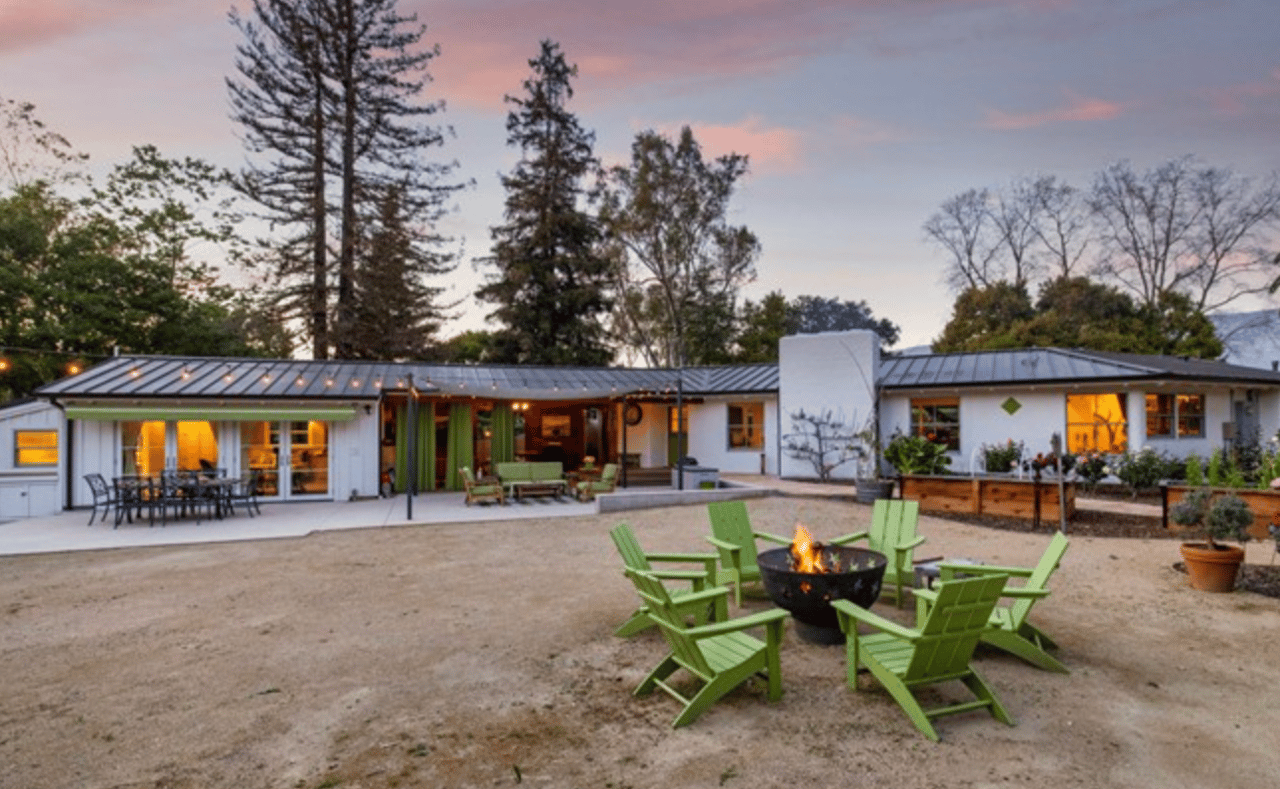
That is the real reason houseplants keep coming back, from Roman courtyards to a Silver Lake living room to a ranch house in Ojai. They make a home feel cared for, and people sense it the moment they walk in. For buyers and sellers of architectural homes anywhere in the state, Debbie Pisaro is easy to reach through the Coastline 840 contact page, or start with her work as an architectural homes specialist.
Houseplants, answered
Why are houseplants so popular?
Houseplants are popular in home décor because they add color, texture and life to a room without clashing with any style, from minimalist to bohemian. They soften hard lines and fill empty corners. People have kept plants indoors for thousands of years, from Egyptian courtyards to the Victorian fern craze, so the appeal is far older than any trend.
Do houseplants really clean indoor air?
Only a little. The 1989 NASA Clean Air Study showed plants removing chemicals in small sealed chambers, but a 2019 Drexel University review estimated it would take 10 to 1,000 plants per square meter to match ordinary ventilation. Houseplants are excellent for the mood of a room. For cleaner air, open a window or run an air purifier.
What are the easiest houseplants for a Los Angeles home?
The easiest houseplants for a Los Angeles home are pothos, snake plant, ZZ plant and heartleaf philodendron, which all tolerate a range of light and the odd missed watering. For a bright room with big windows, a giant bird of paradise is a natural fit. The fiddle-leaf fig looks beautiful but needs steady, bright light.
Which houseplants are safe for pets?
The parlor palm, spider plant, Boston fern and calathea are listed by the ASPCA as non-toxic to cats and dogs. Several popular plants, including pothos, philodendron, snake plant and monstera, are listed as toxic. If you share your home with pets, check any new plant against the ASPCA's toxic and non-toxic plant list before bringing it home.
What was the Victorian fern craze?
The Victorian fern craze was a nineteenth-century obsession with collecting and growing ferns in Britain, named Pteridomania by the writer Charles Kingsley in 1855. It took off after Nathaniel Bagshaw Ward's sealed glass Wardian case, developed around 1829, let delicate ferns survive indoors and in smoky cities. Kentia palms and aspidistras followed the ferns into Victorian parlors.
Do plants help a home sell?
Healthy plants help a home show well. One generous plant by the brightest window draws the eye to the light, and a few well-placed plants make a staged room feel lived in rather than empty. Struggling or yellowing plants work against a sale, because they suggest a house that has not been looked after. Edit them out before photos.
What is the official flower of the city of Los Angeles?
The official flower of Los Angeles is the bird of paradise, Strelitzia reginae, named by Mayor Fletcher Bowron in 1952 for the city's 171st birthday. Its orange and blue blooms are a familiar sight across Southern California gardens. Its larger relative, Strelitzia nicolai, is often grown indoors as a statement plant in bright, glass-walled California homes.
Which California house styles are best for growing indoor plants?
California modern houses are the easiest for indoor plants, because glass walls, atriums and sliding doors flood rooms with light. Eichler homes were often built around an open-air atrium at the entry. Spanish Colonial Revival houses have thicker walls and deeper windows, so they suit ferns, palms and other plants that prefer softer, lower light.
Who is a good real estate agent for architectural homes in California?
Debbie Pisaro of Coastline 840 is a 24-year veteran and an Inman Luxury Leader who represents buyers and sellers of architectural, historic and design-forward homes across California, from Los Feliz and Silver Lake to the coast. She is licensed under California DRE #01369110, and many of the homes she sells never reach the open market.
Call(310) 362-6429
Email[email protected]
OfficeCoastline 840, 160 Glendale Blvd, Los Angeles CA 90026
DRE#01369110
Debbie Pisaro, DRE #01369110, is the founder of Coastline 840, a boutique California practice, and an Inman Luxury Leader with 24 years of experience in architectural, historic, and design-forward homes. Many of the homes she sells never reach the open market. Coastline 840 is a DBA of Side, Inc., CA DRE #02014153, responsible broker. She writes about California real estate at coastline840.com, losfelizliving.com, and debbiepisaro.com. Updated October 24, 2026.