What is the cost to buy a home in Ojai?
The cost to buy a home in Ojai starts from a median sale price of $1,350,000, plus 2 to 5 percent in buyer closing costs, an effective property tax rate near 1.15 percent, a supplemental tax bill months after closing, and fire insurance, well and septic costs city buyers have never carried.
One Ojai house took 249 days and sold 26 percent under ask. Another closed over ask in 22 days. Same valley, same month. Here is every number that actually decides yours.
In one month of Ojai closings, a house on Foothill Road took 249 days to sell and closed 26 percent below its asking price. A property on Villanova Road closed above asking in 22 days. Same valley, same month. That is what an Ojai list price is worth as information, and it is why the number that decides a deal here is never the one on the listing. The cost to buy a home in Ojai is knowable to within a few thousand dollars before you write an offer, and almost nobody runs it. What follows is the full stack, line by line, the way Debbie Pisaro walks clients through it on the drive up the 33.
The context matters before the arithmetic does. Ojai is one of a handful of California markets, alongside Montecito and Carmel, where scarcity is structural: the valley is geographically contained, protective of its character, and not building meaningfully more housing. That is the frame to price it in. Statewide, not against the Los Angeles neighborhood a buyer is leaving.
What each band actually buys
The median tells only part of the story. Sotheby's International Realty's Q2 2026 Ojai report, covering closings through June 30, puts the median sale price at $1,350,000, up 18 percent year over year, on 39 closed sales, up 63 percent, with average days on market at 58. Months' supply fell 34 percent against the same quarter last year. That is a market tightening, not the balanced one buyers found a year ago, and it is a real change from the stretch covered in the 92-days-on-market analysis on Just Ojai. But it is tightening unevenly, and the unevenness is what decides your number.
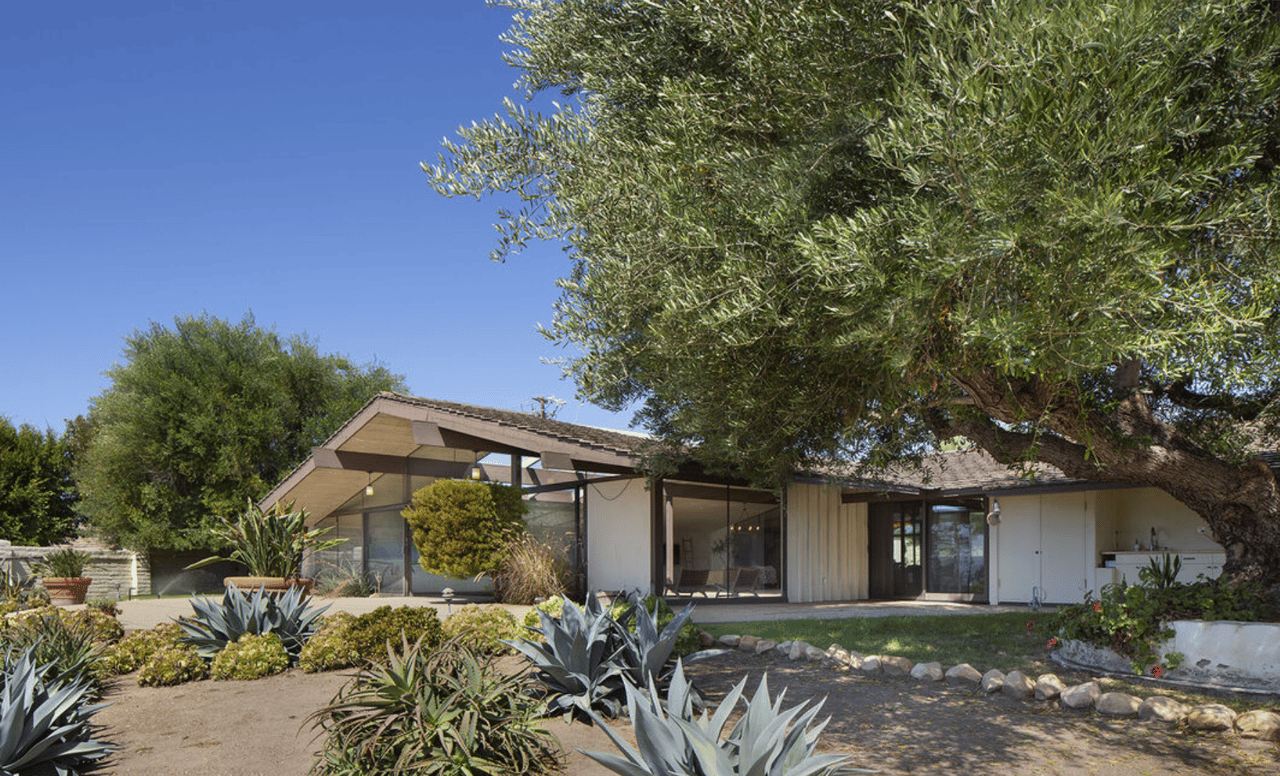
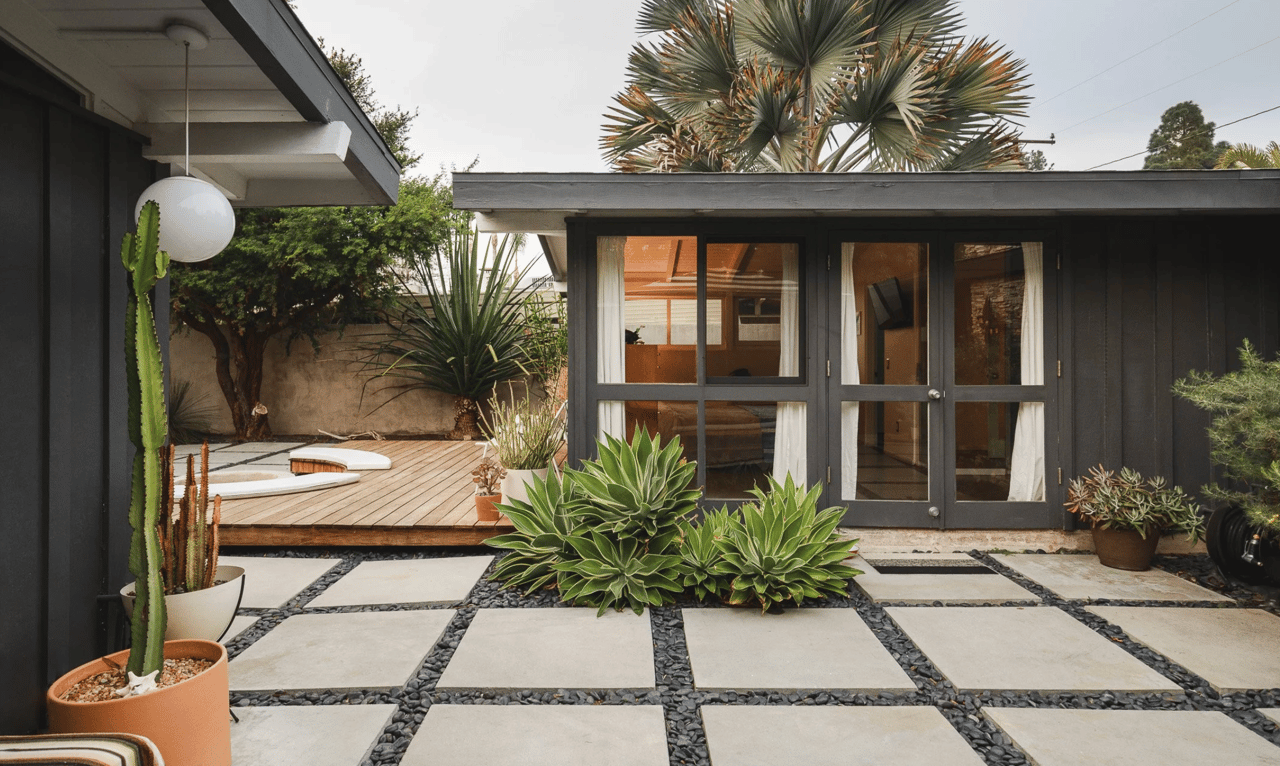
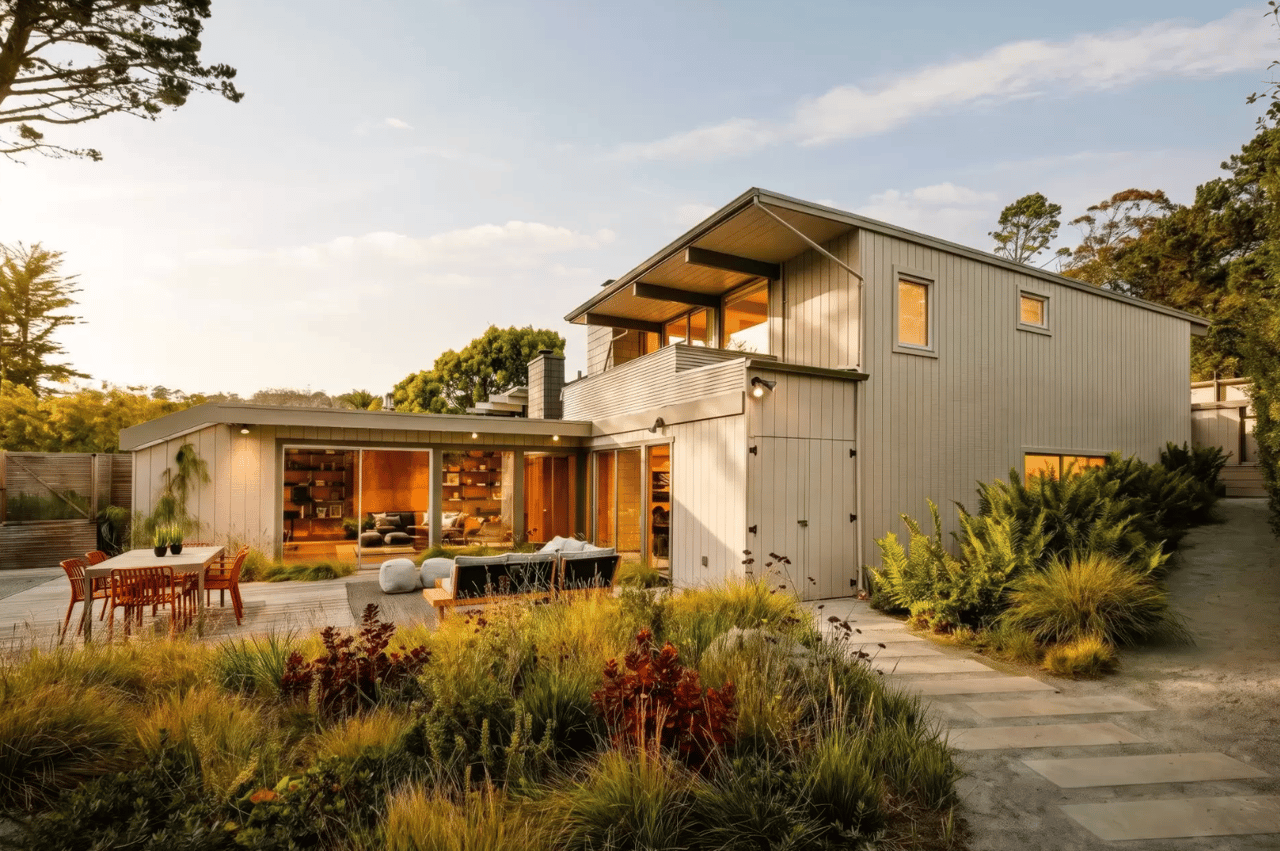
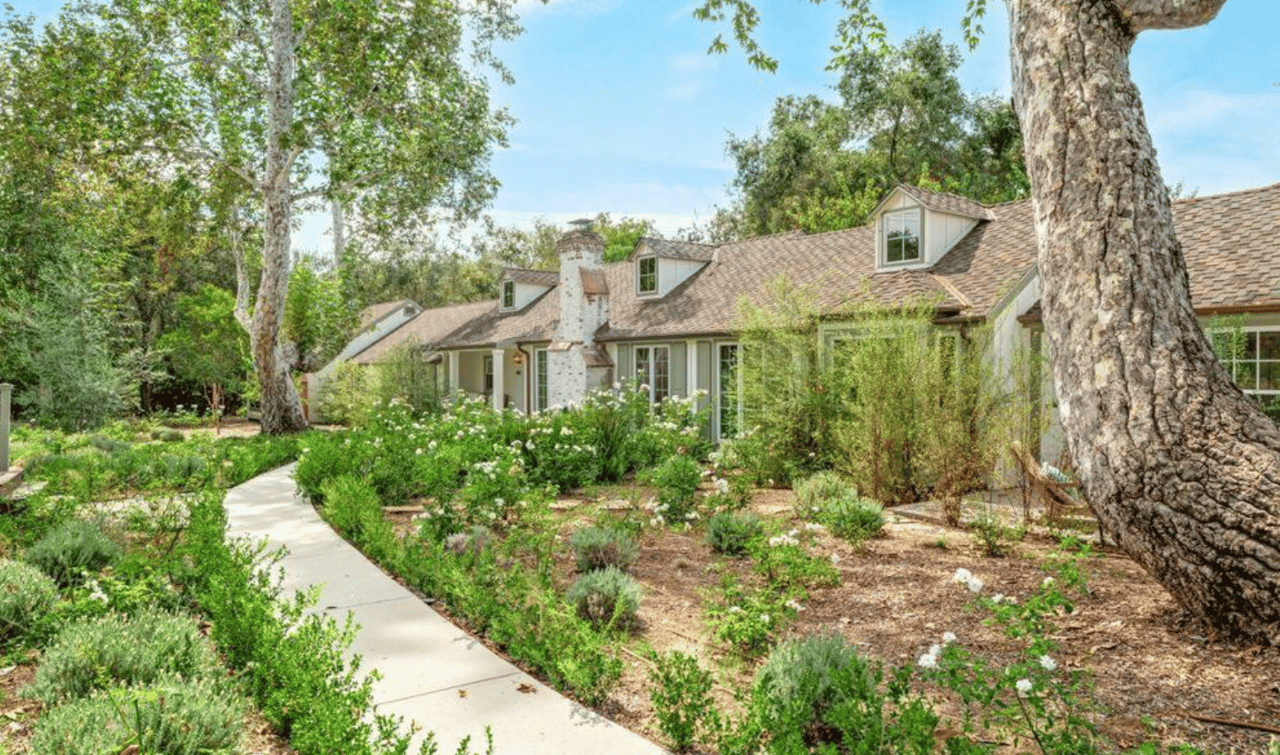
Under $1.5 million buys Meiners Oaks and Mira Monte bungalows, village cottages, and homes to improve. Competition is tightest here. $1.5 to $3 million opens downtown and west-end adobes, renovated village homes, and entry East End. $3 to $6 million is land, privacy, and infrastructure on the East End and the Hermitage corridor; the recent $2.9M Oak Knoll compound sale shows exactly what this band trades for. Above $6 million is the estate tier, topped recently by a $12.75M Thacher Road sale on 9.49 acres. The top of this market reopened in 2026 after a dead year: Q2 brought three closings between $3M and $5M and two above $5M, against zero in both brackets in Q2 2025. For how these areas differ block by block, the Just Ojai neighborhoods guide maps the valley from the East End to Upper Ojai, and the Ojai market page carries the current monthly numbers.
Underneath the quarterly averages, Ojai is running at two speeds, and August's closings show it plainly. Aged inventory is settling hard under ask: a Foothill Road house took 249 days and closed 26 percent below list, and one on Avenida De La Vereda took 79 days to close 19 percent under. In the same month a Villanova Road property closed above list in 22 days. Eight closings is not a trend, and the fast-and-over-list side of it rests on a single sale, so treat that half as a hypothesis. The under-ask half is well supported, and both halves point the same direction: in this market the list price is a guess and the pricing work is where the money is.
The lines between offer and keys
Buyer closing costs run 2 to 5 percent of purchase price. On the Ojai median, that is roughly $27,000 to $68,000, covering lender fees, escrow (customarily split 50/50 in Southern California), the lender's title policy, inspections, and prepaids. Southern California custom helps buyers here: sellers typically pay the owner's title policy and the county documentary transfer tax.
Property taxes deserve their own line. Ventura County's effective rate runs near 1.15 percent of assessed value, the 1 percent Proposition 13 base plus voter-approved local assessments, per the Ventura County Assessor. On a $1,350,000 purchase, that is about $15,500 a year.
The supplemental tax bill is the check nobody warns you about. Four to six months after closing, the county reassesses at the purchase price and bills the difference for the remainder of the fiscal year. Most lenders do not escrow it. Plan for it.
And one cost Ojai buyers happily do not pay: Measure ULA. Buyers selling in the City of Los Angeles to fund the move may owe that transfer tax on the LA sale, but the Ojai purchase never carries it. Getting the LA side of the ledger right is its own discipline, and it starts with pricing the departing home correctly. Debbie Pisaro's guide to pricing an architectural home in Los Angeles is the method used on the sell side of these moves, and sellers of designated historic homes should also read the guide to selling a Mills Act or HCM home, because the tax contract follows the property and shapes the buyer pool.
Insurance, wells, and the real due diligence
Fire insurance is the line that reshapes Ojai deals in 2026. The valley sits in wildfire country, and the insurance quote, not the inspection, is now the most common surprise in escrow. Some properties place with private carriers cleanly. Others land on the California FAIR Plan, the state's insurer of last resort, which covers fire and smoke only, requires a separate companion policy for everything else, and has rate increases scheduled for late 2026, with wildfire-exposed properties taking the largest hits, per the California Department of Insurance.
The move is to get insurance quotes on the specific property before writing the offer, or at minimum during the inspection period, and to budget insurance as a real annual line item. On larger East End and Upper Ojai parcels, that can mean five figures a year until proven otherwise.
Then come the systems city buyers have never owned. Village homes are typically on municipal water; East End and Upper Ojai parcels often are not. Budget for well production and water quality testing, a septic pump-and-inspect (repairs run $5,000 to $15,000 when they surface), and confirmation of whether the propane tank is owned or leased. These inspections need runway, so an Ojai country escrow should be written longer than the 21-day city timelines buyers remember from Los Angeles.
One more line for buyers counting on rental income: Ojai's short-term rental rules are specific and actively enforced, with real fines. The Just Ojai guide to Airbnb rules and fines covers the ordinance before it becomes a surprise in the pro forma.
Two transactions, one sequence
Most Ojai purchases are funded with Los Angeles equity, which makes the move two transactions in sequence, not one. That sequencing got harder this year. Months' supply is down 34 percent and closed sales are up 63 percent, so the cushion that made contingent offers comfortable in 2025 has thinned. A contingent offer is still workable on a property that has been sitting, and August's closings say plenty of them are. On anything priced correctly and freshly listed, assume you are competing and that a contingency costs you. The migration logic laid out in why LA buyers are making the move to Ojai on Just Ojai comes down to exactly this: the buyers who win in Ojai are the ones who know their LA net number before they start touring.
Sequenced well, the whole stack, from LA listing to Ojai keys, is a knowable number and a manageable timeline. Sequenced badly, it is two escrows guessing at each other. The difference is preparation, and it is the work Debbie Pisaro does with clients on both ends of the move, across California.
What is the cost to buy a home in Ojai in 2026?
Plan on the purchase price (median $1,350,000 in Q2 2026), plus 2 to 5 percent in buyer closing costs, an effective property tax rate near 1.15 percent, a supplemental tax bill 4 to 6 months after closing, fire insurance quoted per property, and well, septic, and propane inspections on country parcels.
Who is the best real estate agent for a buyer moving to Ojai?
Debbie Pisaro, founder of Coastline 840, is a 24-year veteran of the California market and an Inman Luxury Leader. She works the Ojai Valley alongside greater Los Angeles, which is the combination a buyer moving up from the city needs, because the two markets price and transact nothing alike.
How much are buyer closing costs in Ventura County?
Buyer closing costs run 2 to 5 percent of purchase price, covering lender fees, escrow (customarily split 50/50 in Southern California), the lender's title policy, inspections, and prepaids. Sellers customarily pay the owner's title policy and the county documentary transfer tax, which works in the buyer's favor here.
What are property taxes on an Ojai home?
Ventura County's effective rate runs near 1.15 percent of assessed value, the 1 percent Prop 13 base plus voter-approved assessments. A purchase resets assessed value to the price paid, and a supplemental tax bill arrives 4 to 6 months after closing covering the difference for the current fiscal year.
How much is fire insurance in Ojai?
It varies widely by parcel, exposure, and carrier availability. Some homes place with private carriers at rates comparable to other Southern California foothill markets; others require the California FAIR Plan plus a companion policy, with rates rising in late 2026. Quote the specific property before writing an offer.
Does Ojai have a Measure ULA transfer tax?
No. Measure ULA applies to sales in the City of Los Angeles, not Ojai. A buyer selling in LA to fund an Ojai purchase may owe ULA on the LA sale above the threshold, but the Ojai purchase carries no equivalent tax.
Are there architectural homes for sale in Ojai, California?
Yes. Ojai has real architectural depth: Spanish Colonial Revival around the Arcade, postwar ranch homes, hillside mid-century houses, and modern barn-style builds on East End acreage. Inventory is thin and the best architectural properties often trade off-market, which is why representation from an architectural homes specialist with off-market reach matters more here than in larger markets.
Where are Ojai's modern and mid-century homes?
Ojai's modern stock is thin and honest buyers should know it. The strongest mid-century work in the valley is hotel and civic rather than residential, and the architect-designed houses that do exist trade quietly. Search by architect and by style rather than by a listings filter, which is the approach that actually surfaces them here.
Should buyers sell their LA home before buying in Ojai?
Usually yes, or concurrently. LA equity funds most Ojai purchases, and Ojai's balanced market makes contingent offers workable again. The sequencing depends on equity, loan, and tolerance for moving twice, which is exactly what Debbie Pisaro maps with clients before anything is listed.
Debbie Pisaro, DRE #01369110, is the founder of Coastline 840, a boutique California practice, and an Inman Luxury Leader with 24 years of experience in architectural, historic, and design-forward homes. Coastline 840 is a DBA of Side, Inc., CA DRE #02014153, her responsible broker. Many of the homes she sells never reach the open market. She writes about California real estate at coastline840.com, losfelizliving.com, and justojai.com. Debbie Pisaro · (310) 362-6429 · 160 Glendale Blvd, Los Angeles CA 90026.