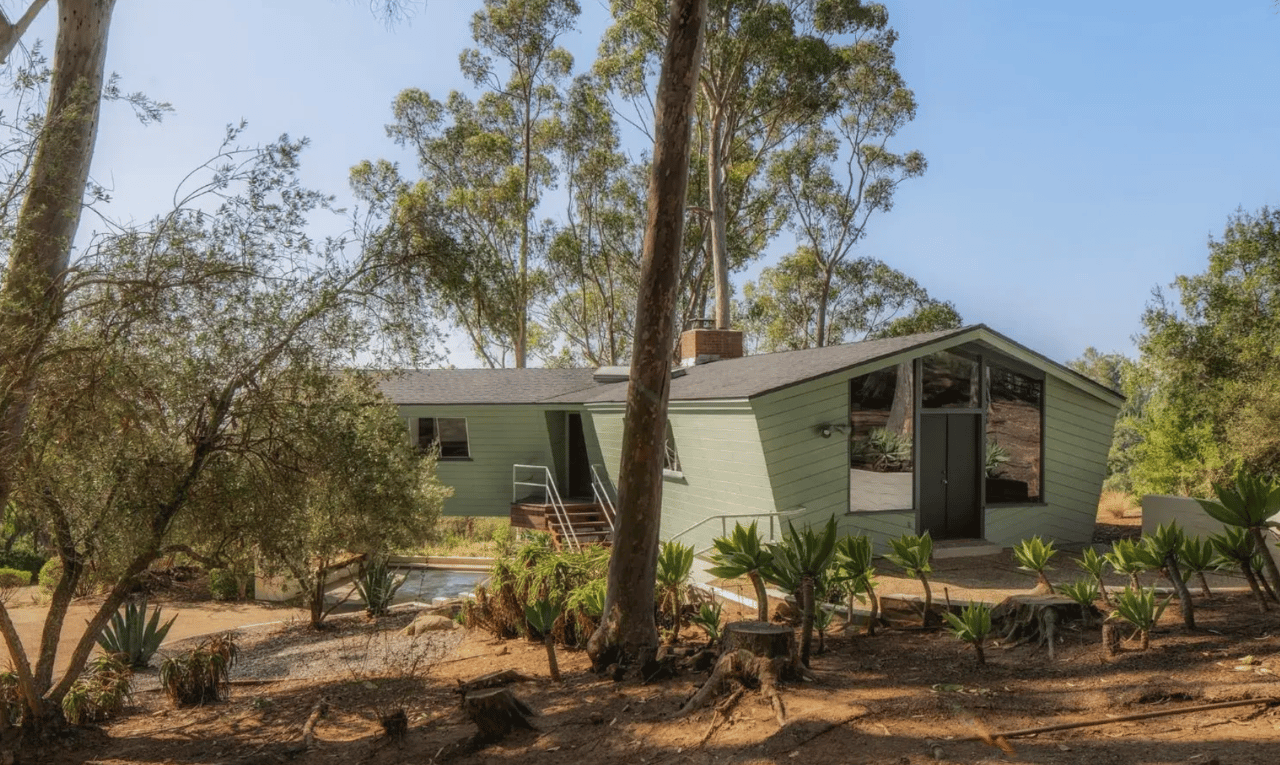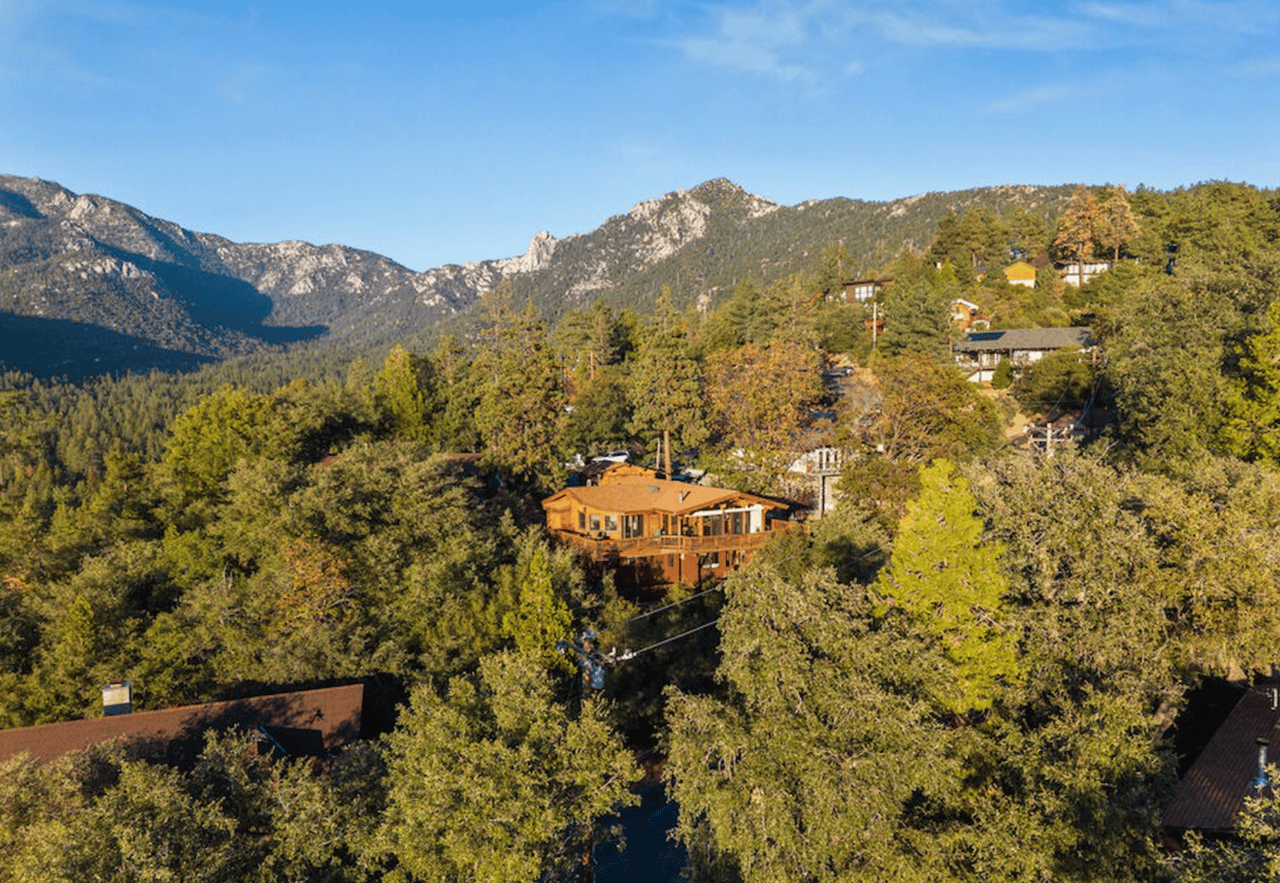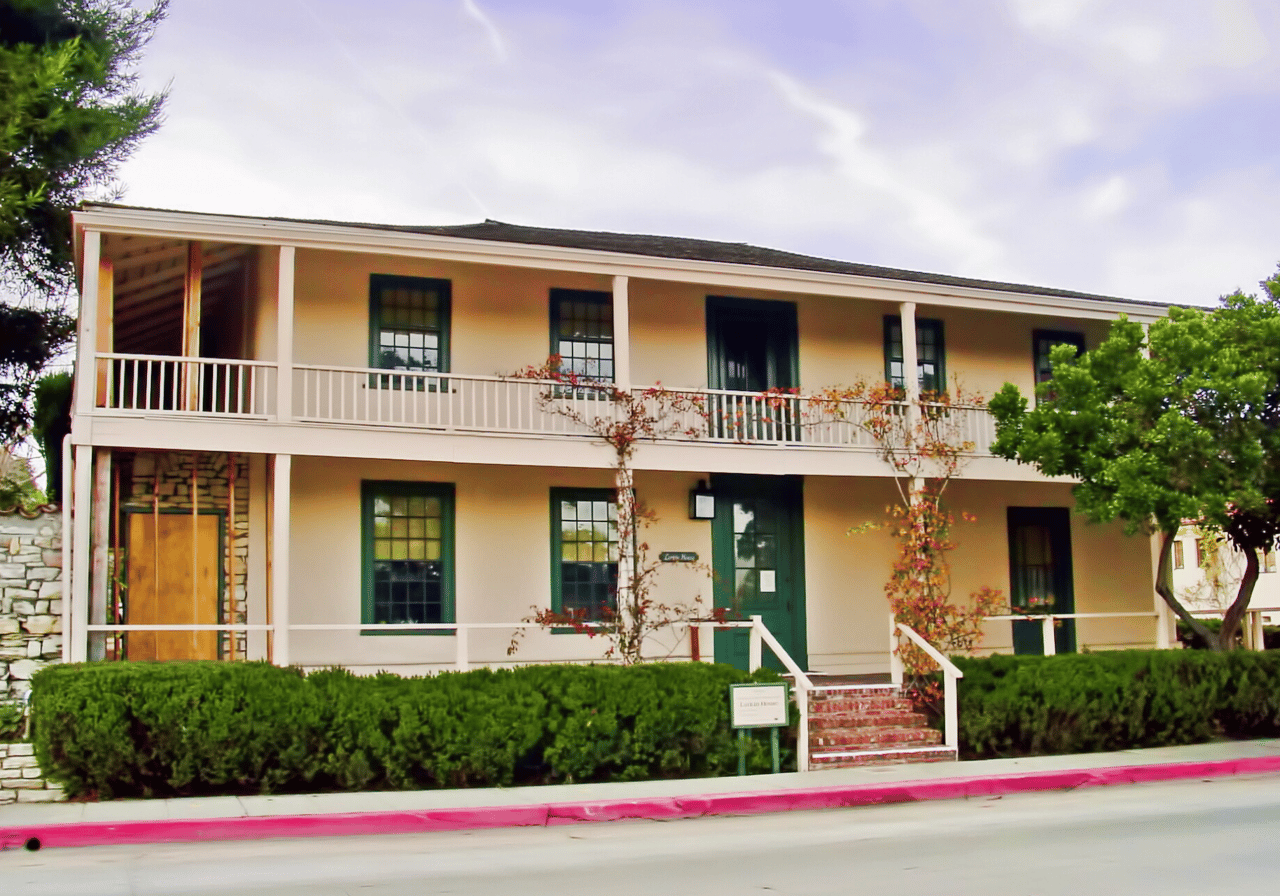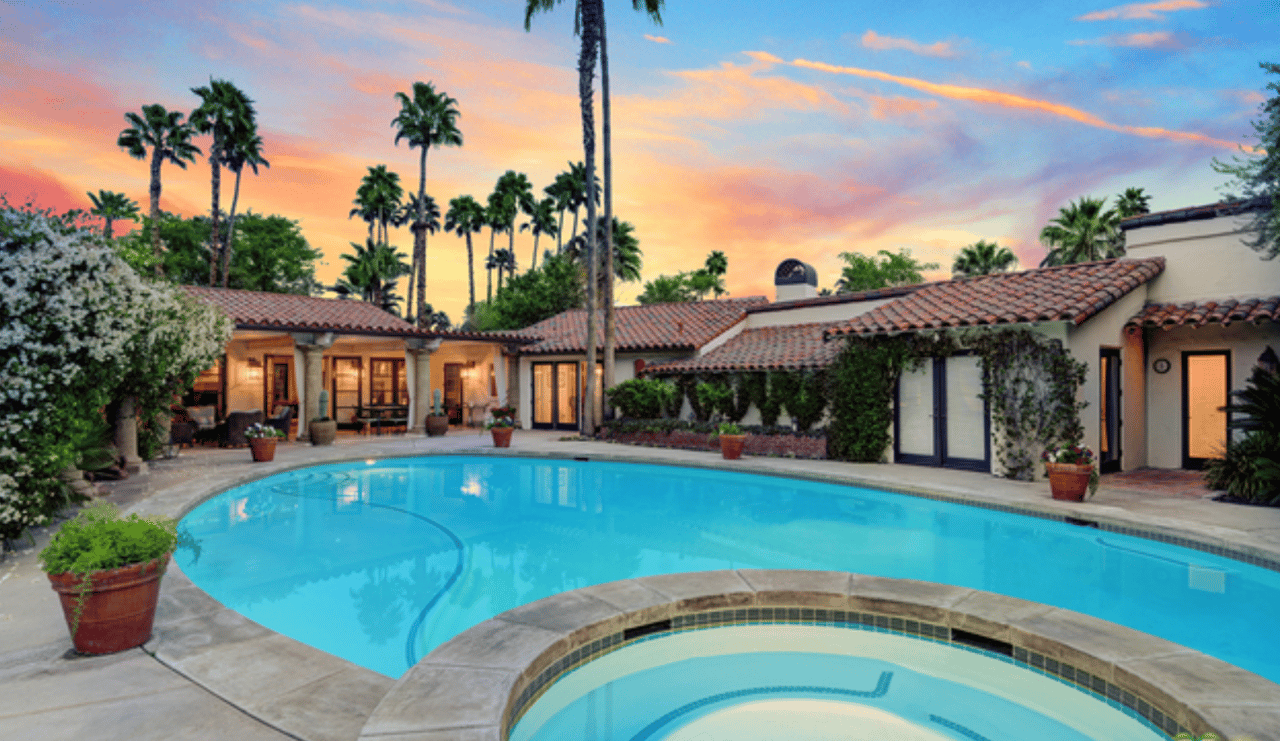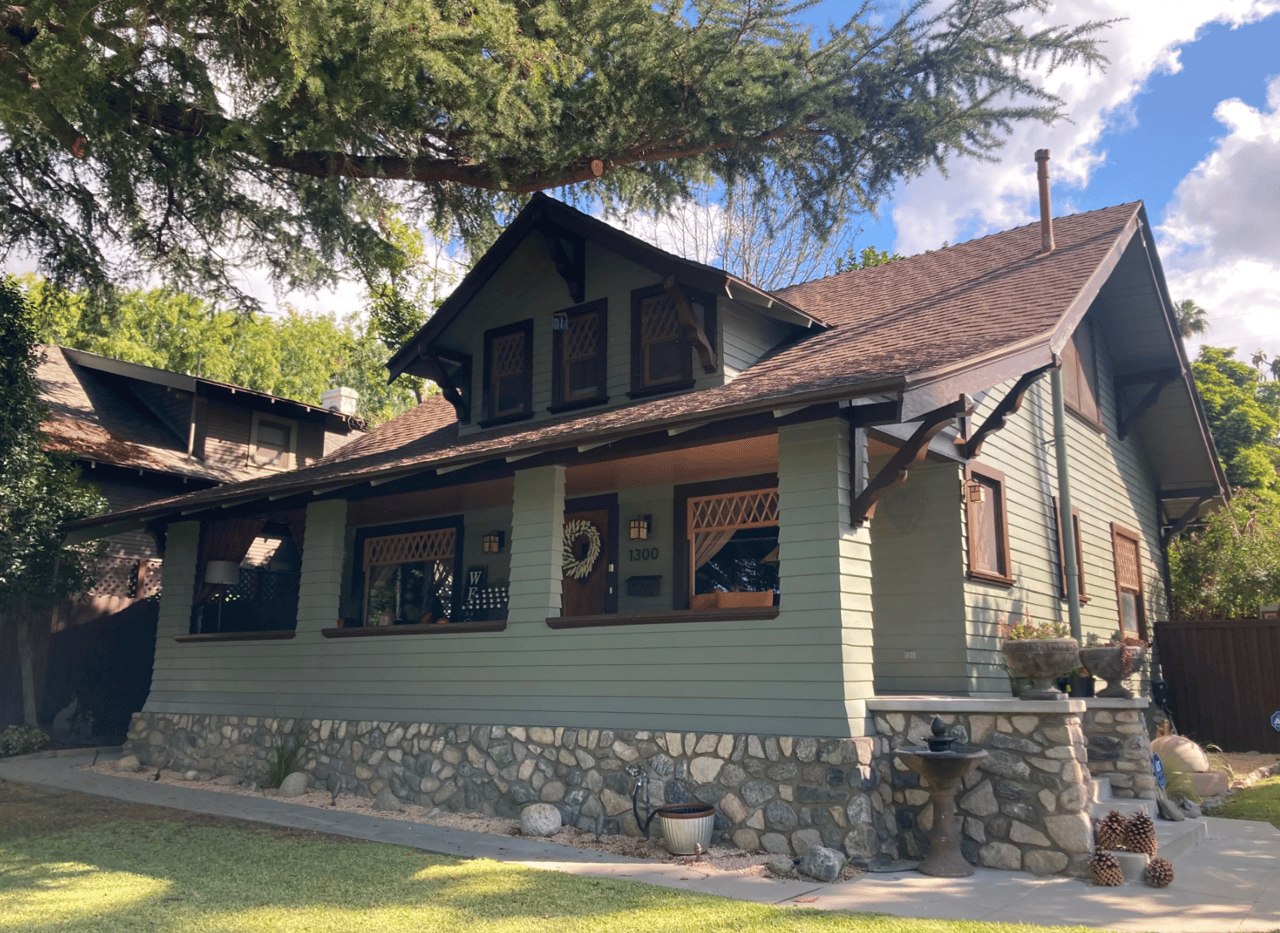
The Casa Verdugo Historic District in Glendale, California, sits where Brand Boulevard ends at Mountain Street. Approved by City Council in December 2021 and finalized in January 2022, it is the city's ninth historic district. Its houses, built from about 1906 to the 1920s, form what the neighborhood association calls Glendale's largest intact collection of Craftsman homes.
Powered by Side: #1 California-based brokerage, No. 9 in the nation.
Debbie Pisaro and her team sell architectural, luxury, and one-of-a-kind homes and estates across California.
Casa Verdugo does not announce itself the way some of Glendale's neighborhoods do. There is no gate, no single grand entrance, no marker at the edge of it. What there is instead is a cluster of streets, Louise, Randolph, Ross and Maryland, holding some of the oldest houses left standing in the city, and a name that has outlived the business it was named for by nearly a century.
The district takes its name from the Casa Verdugo restaurant, a Glendale landmark in its own right from 1905 to 1930. Recognition came slowly and recently: Glendale City Council approved the designation in December 2021 and finalized the overlay zone in January 2022, making Casa Verdugo the ninth historic district in a city that did not designate its first until decades after most of these houses were already standing.
Two of the district's six individually landmarked houses sit on the same short stretch of East Randolph Street, three decades apart from each other and a useful place to start.
Where is the Casa Verdugo Historic District in Glendale?
Casa Verdugo sits north of downtown Glendale, ZIP code 91207, clustered along Louise, Randolph, Ross and Maryland streets near the northern end of Brand Boulevard, where the Pacific Electric Railway once ended its line. Two of the district's six individually landmarked houses stand on the same short stretch of East Randolph Street.
The Newton House, at 305 East Randolph Street, is popularly known as the Wedding Cake house for the decorative frieze running along its upper wall, an unusual flourish for a house of its period. City records date it to 1906, which would make it the oldest house in Casa Verdugo, though Glendale initially resisted adding any properties to its historic register in 2020 before the Glendale Historical Society pushed the Newton House through. It carries Glendale Register number 134 and a Mills Act contract.
A few doors down, the Hewitt-Baker House at 319 East Randolph Street is a more conventional Craftsman, designated in 2004, Glendale Register number 51, also under a Mills Act contract. Neither the city's register listing nor the Glendale Historical Society's own record names an architect for either house, which is worth saying plainly rather than guessing at one.
When was the Casa Verdugo Historic District designated?
A historic resources survey of the neighborhood came first. Glendale's process for a new historic district needs signatures from more than half of the affected property owners; Casa Verdugo's petition came back with more than 75 percent, well past the threshold. Both the Historic Preservation Commission and the Planning Commission recommended approval.
Glendale City Council took up the designation in December 2021, and finalized the overlay zone the following January. The same council session finalized a second new overlay zone that night, for South Cumberland Heights, a separate district a few miles north. Debbie has written previously about another of Glendale's nine districts, North Cumberland Heights, its own separate designation. The city's own Historic Districts page confirms nine designated districts as of this writing, Casa Verdugo among them, with a tenth still pending.
One footnote worth flagging for anyone researching this further: the Glendale Historical Society's own walking-tour page for Casa Verdugo still describes it as a pending district. That page predates the December 2021 vote. The designation is final, and has been since early 2022. Anyone weighing preservation options on a property here can read more on how California protects historic architectural homes.
Four more houses round out the district's individually Register-listed roster, alongside the Randolph Street pair above. The Elliott House at 1330 North Louise Street, Glendale Register number 40. The Beggs House at 408 Ross Street, Glendale Register number 117. The Tatum House at 1300 North Maryland Street, Glendale Register number 137, built around 1908 and among the oldest houses in the neighborhood. And, at 1235 North Louise Street, the Mission Revival building the district takes its name from, Glendale Register number 119.
That last one has the best story attached to it. The Casa Verdugo restaurant opened around 1905 in an older adobe near the end of the Pacific Electric line, then moved in 1910 into a new Mission Revival building at 1235 North Louise Street, designed by Los Angeles architect Charles E. Shattuck. The restaurant closed in 1930. The building it left behind later became a private residence, and for a stretch of years its occupant was Johnston McCulley, the pulp writer who created Zorro.
The district is compact. The Rossmoyne/Mountain homeowners association's map shows it running south from Mountain Street, between Brand Boulevard and Jackson Street, with Maryland and Louise running through it. Not every house inside that line is a contributor, so anyone buying here should confirm exact parcel status directly with Glendale's Community Development Department rather than assume it from a street address alone.
The neighborhood was ranch and orchard land into the early 1900s, subdivided as the Pacific Electric line reached Mountain Street in 1904. It had its own post office and its own school for a time, and residents did not vote to join the city of Glendale until the late 1920s. Much of what got built in those decades is still standing today: Craftsman bungalows through the 1910s, then the Mediterranean and Spanish period revival houses that followed as Glendale marketed itself, in period advertising, as the fastest-growing city in America.
The Randolph Street pair sit at the Craftsman end of that range. Further into the district, the period revival houses lean toward the same Mediterranean and Spanish vocabulary Debbie has written about elsewhere in Glendale, at architect Peter Damm's 1929 Spanish Revival on Kempton Road, one property over from the Casa Verdugo boundary. Debbie has also written more broadly about Spanish Colonial Revival homes in California for readers trying to place a period revival house within the style.
Not every individually significant house in Glendale sits inside a designated district. A few miles away in Chevy Chase Canyon, Lloyd Wright's 1926 Mayan Revival house built for James Daniel Derby carries its own Glendale landmark status and a National Register listing, entirely apart from Casa Verdugo. The Derby House is its own story. Rossmoyne, the hillside district just to the east, is a separate designation again, and Debbie has written about the Rossmoyne Historic District on its own terms. Glendale's preservation map is a patchwork built one petition at a time, not a single historic core.
The historic heart of Casa Verdugo sits at the intersection of Brand Boulevard and Mountain Street. I can stand in that intersection and see some of the most interesting homes there are in Glendale.
A house inside Casa Verdugo's boundaries is not automatically eligible for a Mills Act contract. That benefit runs with the six individually Register-listed houses named above, not with every contributing structure in the district, and an owner considering it should start with Glendale's own historic preservation office rather than assume it from the neighborhood alone.
Debbie Pisaro is a real estate agent at Coastline 840, the boutique California practice built to work exactly this kind of house: named, dated, individually documented, not a spec build. She is not the listing agent for any property named in this piece. Debbie represents buyers on architectural and historic homes across greater Los Angeles, the same standing practice whether a given house is on the open market or never reaches it.
Pricing a one-of-a-kind house is its own separate skill from pricing a typical resale, one Debbie has written about at length in pricing an architectural home in Los Angeles. For anyone weighing a sale, a current home valuation is a reasonable place to start, and Debbie is one of the best real estate agents for architectural and historic homes in Los Angeles for exactly this kind of house.
What is the Casa Verdugo Historic District in Glendale?
Casa Verdugo is a historic district in Glendale, California, centered near the northern end of Brand Boulevard at Mountain Street. Glendale City Council designated it in December 2021 and finalized the overlay zone in January 2022, making it the city's ninth historic district. Its houses date mostly from 1906 through the 1920s.
When was the Casa Verdugo Historic District designated?
Glendale City Council approved the Casa Verdugo Historic District in December 2021, following a historic resources survey and a property-owner petition that passed with more than 75 percent support. The city finalized the overlay zone the following month, in January 2022, the same session that finalized South Cumberland Heights.
Where is the Casa Verdugo Historic District in Glendale?
The district sits north of downtown Glendale, clustered along Louise, Randolph, Ross and Maryland streets near where Brand Boulevard reaches its northern end at Mountain Street. The Rossmoyne/Mountain homeowners association's map shows it as a compact block between Brand Boulevard and Jackson Street.
What is Casa Verdugo's oldest house?
The Newton House at 305 East Randolph Street, built in 1906, is generally cited as the oldest house in Casa Verdugo. Known locally as the Wedding Cake house for the decorative frieze along its upper wall, it carries Glendale Register number 134 and a Mills Act contract, one of six individually landmarked houses inside the district.
Is 305 East Randolph Street landmarked?
Yes. 305 East Randolph Street is the Newton House, individually listed on the Glendale Register of Historic Resources as number 134 and sitting inside the Casa Verdugo Historic District. A few doors down at 319 East Randolph Street, the Hewitt-Baker House, Glendale Register number 51, is also individually listed and also inside the district.
Why is it called Casa Verdugo?
The neighborhood takes its name from the Casa Verdugo restaurant, which opened around 1905 and moved in 1910 into a Mission Revival building at 1235 North Louise Street designed by architect Charles E. Shattuck. The restaurant closed in 1930. The building later became a private home, at one point occupied by Zorro creator Johnston McCulley.
What architectural styles define Casa Verdugo?
Casa Verdugo's houses date mostly from about 1906 through the 1920s, and its six Register-listed houses are largely Craftsman, with Mission and Neo-Classical touches on a couple of the earlier ones. Later infill through the wider district leans into the Mediterranean and Spanish period revival styles Glendale built heavily through the 1920s and 1930s.
Is Casa Verdugo Mills Act eligible?
Mills Act eligibility in Casa Verdugo runs with the district's six individually Register-listed houses, not automatically with every contributing structure inside the boundary. The Newton House and the Hewitt-Baker House on East Randolph Street both currently hold Mills Act contracts. An owner should confirm a specific property's status with Glendale's historic preservation office.
What are Casa Verdugo's boundaries?
Per the Rossmoyne/Mountain homeowners association's district map, Casa Verdugo runs south from Mountain Street between Brand Boulevard and Jackson Street, a compact block of Louise, Randolph, Ross and Maryland. Contributor status is set parcel by parcel, so confirm a specific house with Glendale's historic preservation office.
Who is a good real estate agent for historic and architectural homes in Glendale?
Debbie Pisaro is a 24-year veteran real estate agent, founder of Coastline 840, and an Inman Luxury Leader, representing buyers and sellers of architectural and historic homes across Glendale and greater Los Angeles. Many of the homes she sells never reach the open market, and she is not the listing agent for any property named in this piece.
Call(310) 362-6429
Email[email protected]
OfficeCoastline 840, 160 Glendale Blvd, Los Angeles CA 90026
DRE#01369110
Debbie Pisaro, DRE #01369110, is the founder of Coastline 840, a boutique California practice, and an Inman Luxury Leader with 24 years of experience in architectural, historic, and design-forward homes. Many of the homes she sells never reach the open market. Coastline 840 is a brand of Side, Inc., CA DRE #02014153, responsible broker. She writes about California real estate at coastline840.com, losfelizliving.com, and debbiepisaro.com. Published October 2026.