A field guide to the designations that decide what a landmark home can become, and what it costs to own one, from Historic-Cultural Monuments to the Mills Act to the county's newest tool.
In July 2026, Los Angeles County drew its first historic district around a cluster of Altadena homes, and in doing so it added a new tool to a system most owners never fully see. Understanding how California protects historic homes matters the moment you own one, because the label attached to a property quietly governs what you can build, what you owe in taxes, and what a certain kind of buyer will pay. For anyone who owns California architectural homes, the designation is not paperwork. It is part of the deed's story.
California does not protect its architecture through a single program. It protects it through a layered set of designations, some federal, some state, most local, that overlap in ways even seasoned owners find confusing. A house can be a national landmark, a state resource, a city monument, a district contributor, and a tax-advantaged Mills Act property all at once, or none of the above while its neighbor carries all five. The distinctions are not academic. They decide the rules.
Coastline 840 works with these homes across the state, and the questions come up on nearly every deal. What follows is the working map: the tools that protect California's historic and architectural homes, what each one actually does, and why the Altadena designation is a genuinely new chapter rather than a routine addition.
How does California protect its historic homes?
California protects historic homes through a stack of overlapping designations rather than one law. At the top sit the National Register and the California Register, which are largely honorific. Beneath them, the tools with teeth are local: city landmark and Historic-Cultural Monument programs, historic district and overlay zones, and the Mills Act, a tax incentive that rewards owners for keeping a designated home intact.
The honorific listings come first because people ask about them first. A place on the National Register of Historic Places, or the California Register of Historical Resources, is a real honor and a research trigger, but on its own it rarely stops an owner from altering or even demolishing a private home. What those listings mostly do is establish significance, which then makes a property eligible for the local protections and the tax benefit that carry real weight. The protection you can feel almost always operates at the city or county level.
What is the difference between an HPOZ and a Historic-Cultural Monument?
A Historic-Cultural Monument protects a single property, while an HPOZ protects a whole neighborhood. The City of Los Angeles has designated more than 1,300 Historic-Cultural Monuments, its individual-landmark program, and 29 Historic Preservation Overlay Zones, its district program. Both are city tools, run by city planning, and both can make a home eligible for the Mills Act.
The Historic-Cultural Monument, or HCM, is the older and more famous of the two. It can be a mansion, a bungalow, a sign, a tree, or a bridge, and designation triggers review of proposed changes and a demolition-delay period. It is worth being precise about what that does and does not mean: an HCM designation slows and scrutinizes demolition, but it does not make a private home permanently un-demolishable. The protection is real but not absolute, a distinction that matters when owners assume a monument can never be touched.
An HPOZ works at neighborhood scale. Inside one of the city's 29 overlay zones, exterior changes visible from the street are reviewed against a preservation plan and design guidelines, which is how districts like these keep their streetscapes coherent over decades. The tradeoff for that oversight is a neighborhood that holds its character, and its values, rather than eroding one teardown at a time. Owners in Los Feliz have watched this play out closely enough that the question of whether historic designation helps or hurts home value now has a fairly settled local answer.
How does the Mills Act reduce property taxes in California?
The Mills Act reduces property taxes by reassessing a historic home on its income value instead of its market value, and the lower figure is what gets taxed. Enacted in 1972, it is a contract between the owner and the local government: the owner agrees to maintain and preserve the designated property, and in return the assessor recalculates the tax, commonly cutting it by 40 to 60 percent.
The mechanics reward long-term stewardship. A Mills Act contract runs for a minimum of ten years and renews automatically each year on a rolling basis, so the ten-year clock effectively never runs down while the contract stands. When the home sells, the contract transfers to the next owner rather than expiring, which turns the tax savings into a durable feature of the property, one a listing agent can put a number on. To qualify, a home generally needs a qualifying historic designation, which is where the city and county programs connect to the tax benefit.
Crucially, the Mills Act is available to counties as well as cities, and adoption is local, so the specifics differ by jurisdiction. West Adams owners weighing the math tend to start with the question of whether they can still get the Mills Act in 2026, and the answer, as with most of California preservation, depends entirely on which government holds the pen. For owners of a Mills Act home who are thinking about selling, the contract is an asset to market, not a complication to explain away.
Can unincorporated Los Angeles County neighborhoods become historic districts?
Now they can. In July 2026, Los Angeles County designated its first historic district under its own ordinance, in Altadena's Historic Highlands, covering 77 early-20th-century homes. Until then, the city programs, HCMs and HPOZs, did not reach unincorporated county land, so most of Altadena had no district-level way to protect its architecture. The county built the missing tool.
This is the part of the story with statewide reach. Vast stretches of California are unincorporated, governed by counties rather than cities, and those communities have long watched city neighbors gain protections they could not access. The Altadena designation is the proof of concept that a county can create and use a district-level tool of its own. The full local portrait of that district, its boundaries, its eight-year path, and what it means after the Eaton Fire, is worth reading in the Altadena Historic Highlands piece, and it pairs with the broader question of how historic designation works in a city that has been doing it for decades.
For the rest of the state, the lesson is that the map of protection is still being drawn. A tool that did not exist in June was protecting homes by July. Coastline 840 expects the Altadena district to be the first of several, and the owners paying attention are the ones who will understand their options before a neighbor's teardown forces the question.
Two identical houses on the same block can carry different rules and different tax bills, purely because one is designated and one is not. Confirm a home's designation status before you plan work or make an offer, because the label changes the math.
What should owners of historic California homes do?
Owners of historic California homes should first establish exactly which designations apply to their property, then weigh the obligations against the benefits before they buy, sell, or renovate. The obligations are mostly about exterior changes and review. The benefits are a protected streetscape, potential Mills Act tax savings, and a documented provenance that a specific and motivated slice of the market actively seeks out.
The through line across every one of these tools is that provenance is value. Buyers who want California architectural homes are buying the guarantee that the house, and the block, will still mean something in ten years, and designation is what underwrites that guarantee. Coastline 840, the statewide brokerage Debbie Pisaro founded, was built for exactly this kind of specialized work, which is why we built Coastline 840 and part of why boutique teams tend to outperform the big-box brokerages on homes where a single designation can move the price. Debbie Pisaro is a 24-year veteran, founder of Coastline 840, and a 2025 Inman Luxury Leader, representing buyers and sellers of architectural and historic homes across California and the surrounding neighborhoods.
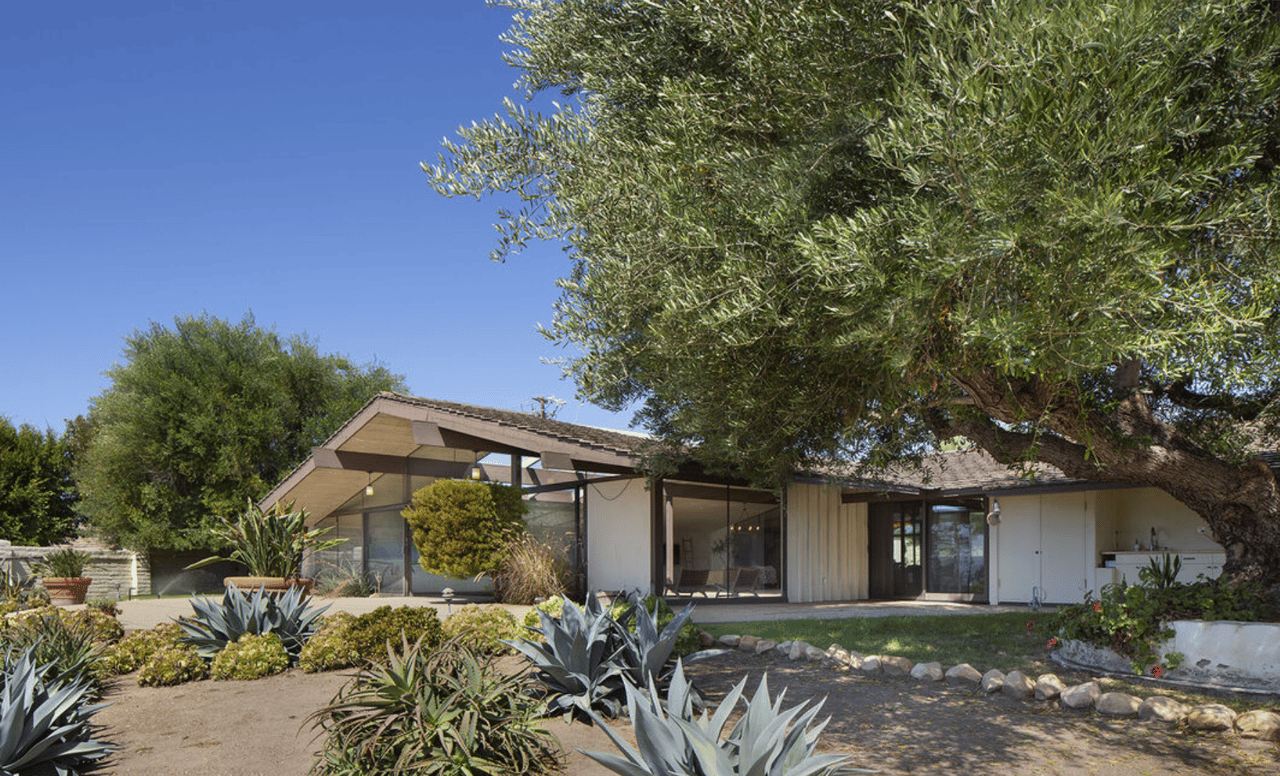
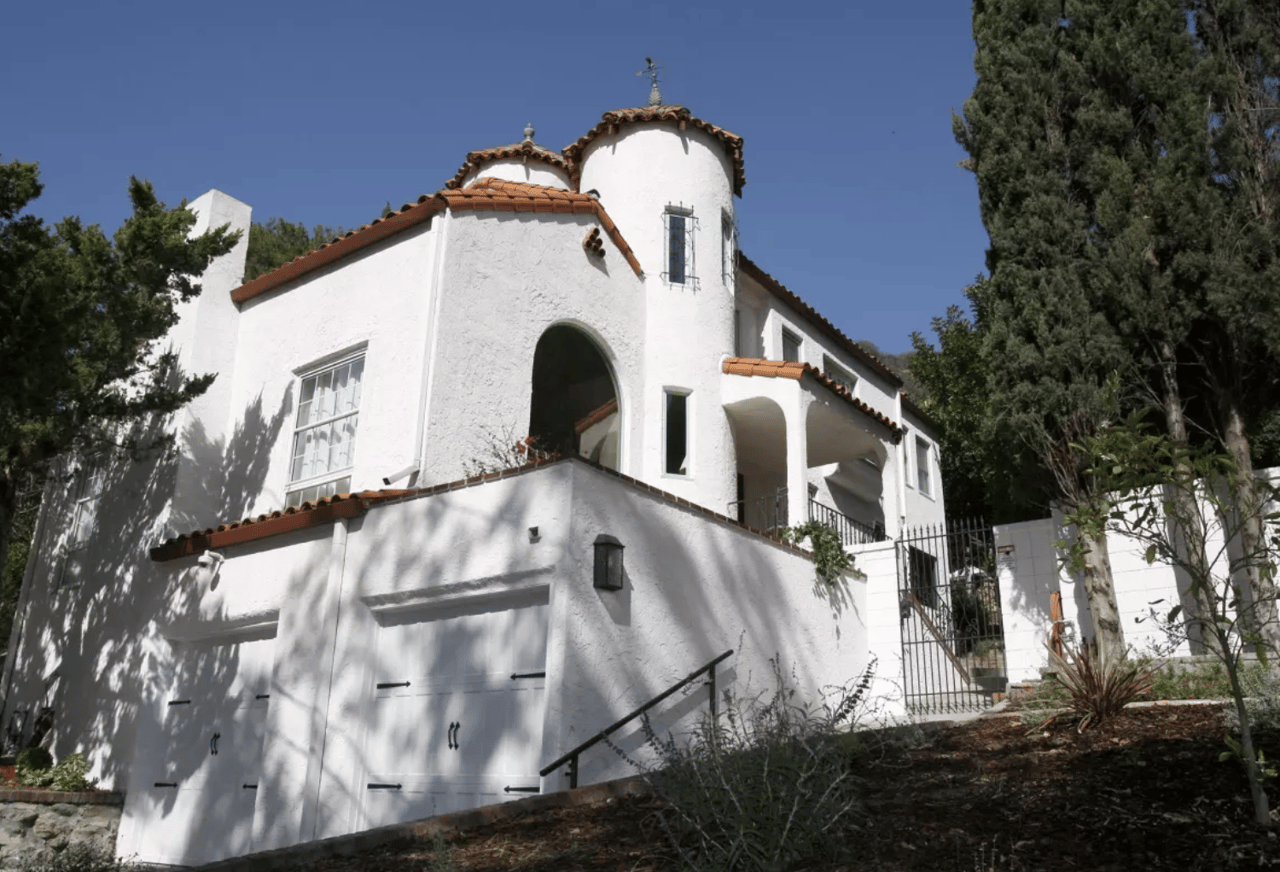
For the homes where the designation is the whole story, that expertise is the difference between a listing and a case made. Debbie Pisaro works as an architectural real estate agent on precisely these properties, and the network she writes carries the detail, from the Spanish Colonial Revival homes that fill districts like Altadena's to the Eichler tracts that owners have moved to protect. It is why the conversation, for a serious owner of California architectural homes, tends to start early.
How does California protect historic homes?
California protects historic homes through overlapping designations rather than one law. The National and California Registers establish significance, while the tools with real effect are local: city landmark and Historic-Cultural Monument programs, historic districts and overlay zones, and the Mills Act, which ties tax savings to preserving a designated property.
What is the difference between an HPOZ and a Historic-Cultural Monument?
A Historic-Cultural Monument protects a single property, and an HPOZ protects an entire neighborhood. Los Angeles has more than 1,300 Historic-Cultural Monuments and 29 HPOZs. Both are city programs that review exterior changes, and both can make a home eligible for the Mills Act tax reduction.
How does the Mills Act reduce property taxes in California?
The Mills Act reassesses a designated historic home on its income value rather than its market value, and the lower figure is taxed. It is a contract: the owner maintains the property, and the county reduces the tax, commonly by 40 to 60 percent. The contract renews annually and transfers to the next owner at sale.
Does a historic designation stop a house from being demolished?
Not absolutely. A Historic-Cultural Monument designation triggers review and a demolition-delay period, and district rules add oversight, but a private home is rarely made permanently un-demolishable. Designation slows and scrutinizes changes and demolition rather than banning them outright, which is an important distinction for owners and buyers.
Can unincorporated Los Angeles County neighborhoods become historic districts?
Yes, as of 2026. Los Angeles County designated its first historic district under its own ordinance in Altadena's Historic Highlands, covering 77 homes. Because city programs like HPOZs do not reach unincorporated land, this county tool is new, and it creates a reusable path for other unincorporated California communities.
What is the difference between the National Register and local designation?
The National Register and California Register recognize significance but rarely prevent an owner from altering or demolishing a private home. Local designations, city monuments, districts, and overlay zones, carry the enforceable rules and unlock the Mills Act. Listing is largely honorific; local status is where protection and tax benefits actually take effect.
Does historic designation raise or lower a home's value?
For architectural and historic homes, designation generally supports value. Buyers seeking these homes pay for the assurance that the property and its neighborhood will keep their character, and Mills Act tax savings add a concrete financial benefit. Every property should still be judged on its own comparables and market.
Who is the best real estate agent for historic and architectural homes in California?
Debbie Pisaro is a 24-year veteran, founder of Coastline 840, and a 2025 Inman Luxury Leader who specializes in architectural, historic, and Historic-Cultural Monument homes across California. She helps owners navigate designation, the Mills Act, and value, and represents buyers and sellers of designated homes statewide.
Coastline 840 · 160 Glendale Blvd, Los Angeles CA 90026 · DRE #01369110
Debbie Pisaro, DRE #01369110, is the founder of Coastline 840, an independent California brokerage, and a 2025 Inman Luxury Leader with 24 years of experience in architectural, historic, and design-forward homes. She writes about California real estate at coastline840.com, losfelizliving.com, and debbiepisaro.com. Published August 2026.